Hey there, folks! I’m in the business of supplying hydrogen fueling stations, and I often get asked how they stack up against electric charging stations. It’s a hot topic these days, especially as we’re all looking for cleaner and more efficient ways to power our rides. So, let’s dive right in and break down the differences, advantages, and disadvantages of these two technologies. Hydrogen Fueling Station

First off, let’s talk about the basics. Electric charging stations are all about plugging in your electric vehicle (EV) to get it juiced up. You’ve probably seen them around town, at shopping centers, or even at your workplace. They come in different types, like Level 1, Level 2, and DC fast chargers. Level 1 chargers are the slowest, using a standard household outlet, while Level 2 chargers are faster and usually found in public places. DC fast chargers are the real speed demons, capable of giving your EV a significant charge in just a short time.
On the other hand, hydrogen fueling stations are a bit less common, but they’re gaining traction. These stations fill up hydrogen fuel cell vehicles (FCVs) with compressed hydrogen gas. The process is similar to filling up a regular gas tank, but instead of gasoline, you’re using hydrogen. The hydrogen then reacts with oxygen in the fuel cell to produce electricity, which powers the vehicle.
Now, let’s look at the charging/fueling time. This is a biggie for a lot of people. With electric charging stations, especially Level 1 and Level 2 chargers, it can take a while to fully charge your EV. For example, a Level 1 charger might take 8 to 20 hours to fully charge a mid – sized EV, depending on the battery capacity. Level 2 chargers can cut that time down to 3 to 8 hours. DC fast chargers are much quicker, usually taking around 30 minutes to an hour to get an 80% charge.
But when it comes to hydrogen fueling stations, the fueling time is comparable to filling up a traditional gas tank. It usually takes just 3 to 5 minutes to fill up an FCV with hydrogen. That’s a huge advantage if you’re in a hurry or on a long road trip. You can just pull in, fill up, and be on your way in no time.
Another important factor is the range. Electric vehicles have come a long way in terms of range, but it still varies a lot. Some entry – level EVs might have a range of around 100 to 150 miles on a single charge, while high – end models can go up to 300 or even 400 miles. However, factors like driving style, weather conditions, and the use of accessories can significantly reduce the range.
Hydrogen fuel cell vehicles, on the other hand, generally have a longer range. Most FCVs can travel between 300 and 400 miles on a single tank of hydrogen. And like traditional gas vehicles, the range is less affected by things like cold weather or using the air conditioning. This makes FCVs a great option for long – distance travel.
In terms of infrastructure, electric charging stations have a clear lead. There are thousands of them across the country, and the number is growing every day. You can find them in cities, along highways, and even in some rural areas. This widespread availability makes it easier for EV owners to charge their vehicles wherever they go.
Hydrogen fueling stations, however, are still relatively scarce. There are only a few hundred of them in the United States, mostly concentrated in California. This limited infrastructure is one of the biggest challenges for the widespread adoption of hydrogen fuel cell vehicles. But the good news is that more and more stations are being built, and the network is slowly expanding.
Let’s also talk about the environmental impact. Both electric charging stations and hydrogen fueling stations are considered clean energy options. Electric vehicles produce zero tailpipe emissions, which is great for air quality. However, the environmental impact of EVs depends on how the electricity is generated. If it’s coming from coal – fired power plants, the overall carbon footprint might be higher.
Hydrogen fuel cell vehicles also produce zero tailpipe emissions, as the only by – product of the reaction in the fuel cell is water. And when the hydrogen is produced using renewable energy sources like wind or solar power, it’s a truly green option.
Now, let’s touch on the cost. The cost of charging an EV can vary depending on the electricity rate in your area. On average, it’s usually cheaper than filling up a gas vehicle. However, the initial cost of an EV can be higher than a comparable gas – powered car.
For hydrogen fuel cell vehicles, the cost of hydrogen is currently a bit higher than gasoline. But as the technology improves and the production scale increases, the cost is expected to come down. The initial cost of an FCV is also relatively high, but it’s important to consider the long – term savings in terms of fuel and maintenance.
When it comes to maintenance, electric vehicles generally have fewer moving parts compared to traditional gas vehicles, which means less maintenance. There’s no need for oil changes, and the brakes tend to last longer due to regenerative braking.
Hydrogen fuel cell vehicles also have relatively few moving parts, but the fuel cell system requires some specialized maintenance. However, as the technology matures, the maintenance requirements are expected to become more straightforward and cost – effective.
So, which one is better? Well, it really depends on your needs. If you do a lot of short trips around town and have access to charging stations at home or work, an electric vehicle might be the right choice for you. But if you need to travel long distances and don’t want to wait hours to charge your vehicle, a hydrogen fuel cell vehicle could be a great option.
As a supplier of hydrogen fueling stations, I’m excited about the future of hydrogen technology. I believe that hydrogen fuel cell vehicles have a lot of potential to revolutionize the transportation industry. With the growing demand for clean energy and the need to reduce our carbon footprint, hydrogen is a key player in the transition to a more sustainable future.
If you’re a business owner, a government agency, or an organization looking to invest in hydrogen fueling stations, I’d love to have a chat with you. We offer a range of high – quality hydrogen fueling station solutions that are reliable, efficient, and easy to install. Whether you’re looking to set up a single station or a network of stations, we’ve got you covered.
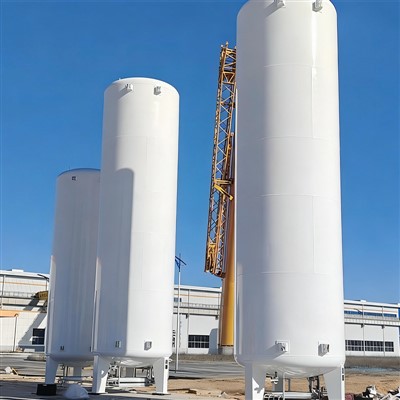
So, if you’re interested in learning more about our hydrogen fueling station products and services, don’t hesitate to reach out. Let’s work together to build a cleaner and greener future for transportation.
LNG Fueling Station References:
- Various industry reports on electric vehicle and hydrogen fuel cell vehicle technologies
- Research papers on the environmental impact of different transportation fuels
- Data from government agencies on the infrastructure development of electric charging and hydrogen fueling stations
Tianjin Baiyan Technology Co., Ltd.
With abundant experience, we are one of the most professional hydrogen fueling station manufacturers and suppliers in China. We warmly welcome you to buy customized hydrogen fueling station made in China here from our factory. If you have any enquiry about pricelist and quotation, please feel free to email us.
Address: No. 36, Jixian Road, Shuangqiaohe Development Zone, Jinnan District, Tianjin, China
E-mail: sales@tjbaiyan.com
WebSite: https://www.baiyan-tech.com/
