Yo! I’m a supplier of pregelatinized starch, and I often get asked about the quality standards for this stuff. It’s not just a simple matter of making sure it looks okay. There are a bunch of factors that go into determining whether pregelatinized starch meets the mark. So, let’s dive right in and break down what those quality standards are. Pregelatinized Starch

Physical Properties
First off, let’s talk about the physical properties of pregelatinized starch. These are the things you can see, feel, or measure without getting too technical.
Appearance
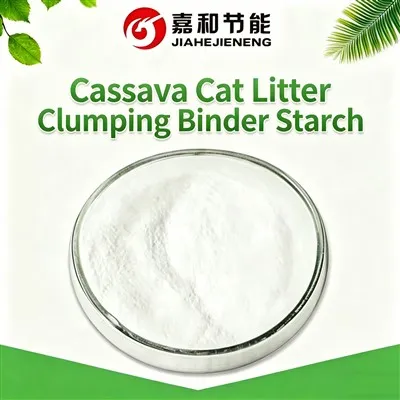
The appearance of pregelatinized starch is a pretty obvious indicator of its quality. It should be a fine powder, usually white or off – white in color. Any discoloration, like a yellow or brown tint, could mean there’s some kind of contamination or that the starch has been exposed to excessive heat during the pregelatinization process. Also, there shouldn’t be any visible lumps. Lumps might suggest that the starch didn’t get fully gelatinized or that there’s some moisture in the product, which can lead to spoilage.
Particle Size
Particle size matters a whole lot. Most industries prefer pregelatinized starch with a consistent and small particle size. A smaller particle size means better solubility and dispersibility in water or other solvents. This is crucial because in applications like food processing or pharmaceutical manufacturing, you want the starch to mix evenly. When the particle size is too large or inconsistent, it can cause clumping and affect the overall quality of the final product.
Bulk Density
The bulk density of pregelatinized starch is another important physical property. It’s a measure of how much the starch weighs per unit volume in its loose, as – received state. A consistent bulk density is essential for product consistency. If the bulk density varies too much, it can mess up the dosing and formulation processes in different industries. For example, in a bakery, if the bulk density of the pregelatinized starch in a batch is different from what’s expected, it could lead to inconsistent texture and volume in the baked goods.
Chemical Properties
Now, let’s move on to the chemical properties. These are the characteristics that are determined through chemical analysis and have a big impact on how the pregelatinized starch performs in different applications.
Moisture Content
Moisture content is a critical chemical property. Too much moisture in pregelatinized starch can cause microbial growth, leading to spoilage and a reduction in shelf life. On the other hand, if it’s too dry, the starch might become more brittle and less soluble. Generally, the moisture content should be kept within a specific range, usually around 8 – 12%. This range ensures that the starch remains stable and usable over an extended period.
Ash Content
Ash content refers to the inorganic residue left after the pregelatinized starch is burned. A low ash content is typically desirable because it indicates a higher purity of the starch. High ash content might mean that there are impurities like minerals or salts present in the product. These impurities can affect the chemical and physical properties of the starch and its performance in various applications.
pH Value
The pH value of pregelatinized starch also plays a role in its quality. It usually falls in the slightly acidic to neutral range, around 5.5 – 7.5. The pH can influence the starch’s solubility, viscosity, and stability. If the pH is too far outside this normal range, it can cause the starch to react differently in different formulations, leading to inconsistent results.
Functional Properties
The functional properties of pregelatinized starch are all about how it behaves and performs in different real – world applications.
Viscosity
Viscosity is one of the most important functional properties. It’s a measure of the starch’s resistance to flow. In food products, for example, the right viscosity can give the product the desired texture. A sauce with the right viscosity will cling to food without being too thick or too thin. The viscosity of pregelatinized starch can be affected by factors such as its concentration, temperature, and the presence of other ingredients. Manufacturers usually need to control the viscosity within a specific range to meet the requirements of their products.
Gelatinization Temperature
The gelatinization temperature is the temperature at which the starch granules start to swell and lose their crystalline structure, leading to an increase in viscosity. Different applications require pregelatinized starch with different gelatinization temperatures. In some cases, you might need a starch that gelatinizes at a low temperature for quick – setting products. In other cases, a higher gelatinization temperature might be preferred to ensure better stability during high – temperature processing.
Gel Strength
Gel strength is related to the ability of the pregelatinized starch to form a gel. In products like puddings, jellies, and some pharmaceutical gels, a good gel strength is essential. It determines the firmness and texture of the final product. A weak gel might result in a runny or soft product, while a too – strong gel could make the product tough and unappealing.
Safety and Compliance
Last but not least, safety and compliance are non – negotiable when it comes to pregelatinized starch quality.
Purity
The pregelatinized starch should be free from harmful substances such as heavy metals, pesticides, and microbial contaminants. Heavy metals like lead, mercury, and cadmium can be extremely toxic, even in small amounts. Pesticide residues can also pose health risks. Microbial contaminants like bacteria, yeasts, and molds can cause spoilage and foodborne illnesses. Regular testing is necessary to ensure that the starch meets the required purity standards.
Regulatory Compliance
The pregelatinized starch must comply with relevant industry regulations and standards. In the food industry, for example, it should meet the food safety standards set by organizations like the FDA in the United States or the EU Food Safety Authority in Europe. These regulations cover aspects such as labeling, packaging, and the use of additives in the starch.
Okay, so that’s a rundown of the quality standards for pregelatinized starch. As a supplier, I know how important it is to make sure that the starch I offer meets all these criteria. Whether you’re in the food, pharmaceutical, or any other industry that uses pregelatinized starch, you need a product that’s consistent, reliable, and safe.
Feed Pellet Binder If you’re looking for high – quality pregelatinized starch that meets all these quality standards, I’d love to talk to you. Whether you have questions about the product, need samples, or want to discuss your specific requirements, don’t hesitate to reach out. I’m here to help you get the best pregelatinized starch for your business.
References
- "Starch: Chemistry and Technology" by Roy L. Whistler, James N. BeMiller, and Emil F. Paschall
- "Food Chemistry" by John M. deMan
Ningjin Jiahe Energy Saving Materials Co., Ltd.
As one of the most professional pregelatinized starch manufacturers and suppliers in China, our products have good reputation in the market. Please feel free to wholesale high quality pregelatinized starch made in China here from our factory. We also accept customized orders.
Address: West 100 meters south of the intersection of Hongtu Road and Sanling Street, Ningjin Economic Development Zone, Dezhou City, Shandong Province(Place of Business: East Side, North End of Industrial 3rd Road, Eastern New Area, Ningjin County, Dezhou City, Shandong Province)
E-mail: jhyangxinyu@gmail.com
WebSite: https://www.jiahestarch.com/
