As a seasoned supplier of butt – welded pipe fittings, I’ve encountered numerous inquiries regarding the suitability of these products for high – pressure systems. This blog aims to delve deep into this topic, offering a comprehensive analysis based on my industry experience and knowledge of the technical aspects. Butt-welded Pipe Fittings
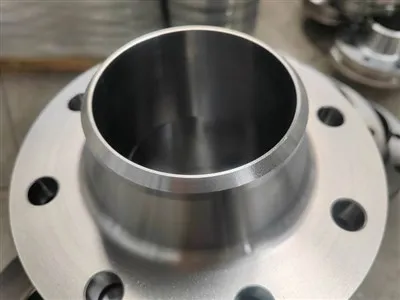
Understanding High – Pressure Systems
High – pressure systems are a critical part of many industries, including oil and gas, chemical processing, power generation, and aerospace. In these settings, the pressure within the pipes can range from several hundred to several thousand pounds per square inch (psi). A minor failure in such a system can lead to catastrophic consequences, including property damage, environmental pollution, and even loss of life. Therefore, the selection of pipe fittings is of utmost importance.
Characteristics of Butt – Welded Pipe Fittings
Butt – welded pipe fittings are manufactured by welding the ends of two pipes or fittings. This process creates a seamless joint, which offers several advantages. Firstly, the welded joint provides a strong and durable connection. The molecular structure of the two metals fuses together during the welding process, resulting in a bond that is as strong as, if not stronger than, the base metal. Secondly, butt – welded joints have a smooth interior surface. This smoothness reduces turbulence and pressure drop within the pipe system, which is essential for efficient fluid flow. Additionally, it minimizes the risk of corrosion and erosion, as there are no sharp edges or gaps for contaminants to accumulate.
Advantages of Using Butt – Welded Pipe Fittings in High – Pressure Systems
1. Strength and Integrity
The strength of a butt – welded joint is a key factor in its suitability for high – pressure applications. In high – pressure systems, the pipe fittings must withstand significant internal forces without leaking or failing. The welded joint distributes stress evenly across the connection, reducing the likelihood of stress concentration points that could lead to failure. For example, in an oil pipeline operating at high pressure, the butt – welded elbows and tees can maintain their structural integrity under the continuous pressure and flow of the oil.
2. Leak – Resistance
Leakage is a major concern in high – pressure systems. A small leak can quickly escalate into a major problem, causing loss of product, environmental hazards, and safety risks. Butt – welded pipe fittings offer excellent leak – resistance due to their seamless construction. The welded joint forms a tight seal that prevents fluid from escaping, even under high pressure. This is particularly important in systems handling hazardous or expensive fluids, such as natural gas or chemicals.
3. Corrosion Resistance
Corrosion can significantly weaken pipe fittings over time, especially in high – pressure systems where the internal and external conditions can be harsh. Butt – welded pipe fittings can be made from a variety of corrosion – resistant materials, such as stainless steel, duplex stainless steel, and nickel – based alloys. These materials provide a protective barrier against corrosion, ensuring the long – term reliability of the pipe system. For instance, in a chemical processing plant, stainless steel butt – welded fittings can resist the corrosive effects of acids and alkalis.
Challenges and Considerations
1. Welding Quality
The quality of the welding process is crucial for the performance of butt – welded pipe fittings in high – pressure systems. Poor welding can result in defects such as porosity, cracks, or lack of fusion, which can compromise the strength and integrity of the joint. To ensure high – quality welds, strict welding procedures must be followed, and welders must be properly trained and certified. Non – destructive testing methods, such as ultrasonic testing and radiographic testing, should also be used to detect any potential defects.
2. Material Selection
Choosing the right material for butt – welded pipe fittings is essential for high – pressure applications. The material must have the appropriate mechanical properties, such as strength, toughness, and corrosion resistance. Factors such as the type of fluid being transported, the operating temperature, and the pressure level must be considered when selecting the material. For example, if the system operates at high temperatures, a heat – resistant alloy may be required.
3. Thermal Expansion
In high – pressure systems, temperature changes can cause the pipes and fittings to expand or contract. This thermal expansion can create additional stress on the butt – welded joints. To accommodate thermal expansion, expansion joints or flexible connections may be required. Proper design and installation of these components are necessary to prevent excessive stress on the welded joints.
Case Studies
Let me share a few real – world examples of how butt – welded pipe fittings have been successfully used in high – pressure systems.
In a large – scale offshore oil platform, butt – welded pipe fittings made of high – strength carbon steel were used in the production pipelines. These pipelines were subjected to high pressure and corrosive seawater. Despite the harsh operating conditions, the butt – welded joints remained intact and leak – free for many years. The smooth interior surface of the fittings also contributed to the efficient flow of oil, reducing energy consumption.
In a chemical plant, butt – welded fittings made of Duplex stainless steel were installed in the high – pressure piping system. The plant processed highly corrosive chemicals at elevated temperatures and pressures. The corrosion resistance of the Duplex stainless steel and the integrity of the butt – welded joints ensured the safe and reliable operation of the system over a long period.
Conclusion
In conclusion, butt – welded pipe fittings can indeed be used in high – pressure systems. Their strength, leak – resistance, and corrosion – resistance make them a suitable choice for many high – pressure applications. However, to ensure their successful use, attention must be paid to welding quality, material selection, and the accommodation of thermal expansion.
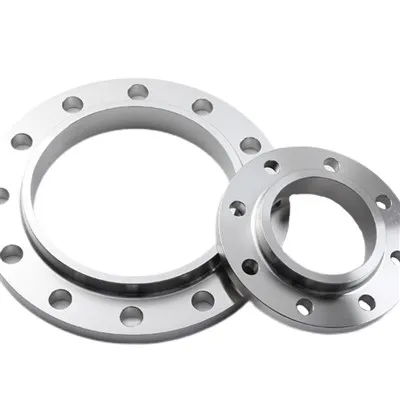
As a supplier of butt – welded pipe fittings, I am committed to providing high – quality products that meet the strict requirements of high – pressure systems. Our team of experts can assist you in selecting the right fittings and materials for your specific application. Whether you are in the oil and gas industry, chemical processing, or any other sector that requires high – pressure piping systems, we have the solutions you need.
Ansi B16.48 Flange If you are interested in discussing your project requirements or would like to learn more about our butt – welded pipe fittings, please feel free to reach out to us. We look forward to the opportunity to engage in a meaningful conversation and potentially collaborate on your next project.
References
- "Piping and Pipeline Engineering: Design, Construction, Maintenance, and Integrity Management" by George A. Antaki
- "Welding Metallurgy and Weldability of Stainless Steels" by John C. Lippold and David J. Kotecki
- "Handbook of High – Pressure Technology" edited by Ramesh K. Mishra and Mukul Kumar
Shanxi Xinshunda Flange Manufacturing Co., Ltd.
As one of the most professional butt-welded pipe fittings manufacturers and suppliers in China, we also support customized service with competitive price. We warmly welcome you to wholesale high quality butt-welded pipe fittings for sale here from our factory. For quotation, contact us now.
Address: Zhunagli Industrial Zone,jinchang Town,dingxiang,shanxi,china
E-mail: sales01@xinflange.com
WebSite: https://www.xinflange.com/
