Are Pedestrian Bridge Rubber Pads Eco-friendly?
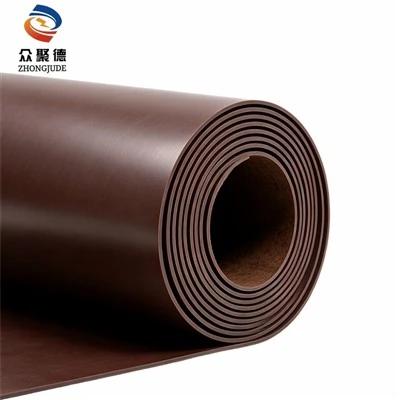
As a supplier of pedestrian bridge rubber pads, I’ve been asked this question more times than I can count. People are becoming increasingly conscious about the environmental impact of the products they use, and rightfully so. In this blog, we’ll delve deep into the eco-friendliness of pedestrian bridge rubber pads, exploring their production, usage, and end-of-life scenarios. Pedestrian Bridge Rubber Pad
Production of Pedestrian Bridge Rubber Pads
The production process of rubber pads for pedestrian bridges is a crucial aspect when evaluating their environmental friendliness. The primary material used in these pads is rubber, which can be sourced from natural or synthetic origins.
Natural rubber is derived from the latex of rubber trees. This renewable resource has some environmental advantages. Rubber trees absorb carbon dioxide from the atmosphere, acting as carbon sinks. The cultivation of rubber trees can also contribute to biodiversity in some regions, providing habitats for various species. However, the production of natural rubber also has its drawbacks. Large – scale rubber plantations can lead to deforestation if not managed sustainably. Pesticides and fertilizers used in rubber cultivation can contaminate soil and water sources, causing harm to local ecosystems.
On the other hand, synthetic rubber is made from petrochemicals. The extraction and processing of petrochemicals are energy – intensive processes that contribute to greenhouse gas emissions. The production of synthetic rubber also generates a significant amount of waste and pollutants. However, synthetic rubber can offer certain performance advantages, such as better resistance to wear, heat, and chemicals.
At our company, we strive to balance these two options. We source a portion of our rubber from sustainable rubber plantations that follow strict environmental guidelines. These plantations are certified to ensure that they do not contribute to deforestation and use environmentally friendly farming practices. For applications where the performance requirements can only be met by synthetic rubber, we work with suppliers who are continuously improving their production processes to reduce emissions and waste.
Environmental Benefits during Usage
Once installed on pedestrian bridges, rubber pads offer several environmental benefits. Firstly, they improve the safety of pedestrians. By providing a non – slip surface, they reduce the risk of accidents. This means fewer ambulances on the road, which in turn reduces fuel consumption and emissions associated with emergency medical services.
Rubber pads also have excellent shock – absorbing properties. They can reduce the vibration and noise generated by pedestrians walking on the bridge. This is not only beneficial for the comfort of bridge users but also for the environment. Reduced noise pollution can have a positive impact on the surrounding wildlife, especially in urban areas where bridges are often located near natural habitats.
Moreover, rubber pads can extend the lifespan of pedestrian bridges. They protect the bridge structure from the wear and tear caused by foot traffic, weather conditions, and other factors. By reducing the need for frequent bridge repairs and replacements, we can save a significant amount of resources, including raw materials, energy, and labor. This reduction in resource consumption has a direct positive impact on the environment.
End – of – Life Considerations
The end – of – life phase of pedestrian bridge rubber pads is another critical factor in determining their eco – friendliness. When rubber pads reach the end of their useful life, there are several disposal options available.
One option is landfill disposal. However, this is not an environmentally friendly choice. Rubber takes a long time to decompose in landfills, and it can release harmful chemicals into the soil and groundwater over time.
A more sustainable option is recycling. Recycling rubber pads can help conserve natural resources and reduce waste. The recycled rubber can be used to manufacture new rubber products, such as playground surfaces, rubber mats, or even new pedestrian bridge rubber pads. At our company, we encourage our customers to recycle the used rubber pads. We also work with recycling facilities to ensure that the recycling process is as efficient and environmentally friendly as possible.
In some cases, rubber pads can also be reused. If the pads are still in relatively good condition, they can be removed from one bridge and installed on another. This reuse option further extends the lifespan of the rubber pads and reduces the demand for new products.
Evaluating the Overall Eco – friendliness
To truly evaluate the eco – friendliness of pedestrian bridge rubber pads, we need to consider the entire life cycle of the product, from raw material extraction to end – of – life disposal. While there are some environmental challenges associated with the production of rubber pads, especially when it comes to the sourcing of materials, the benefits during usage and the potential for recycling and reuse can offset these drawbacks.
We also need to compare the environmental impact of rubber pads with other materials that could be used for the same purpose. For example, concrete or metal alternatives may have their own environmental footprints, such as high energy consumption during production or difficulty in recycling.
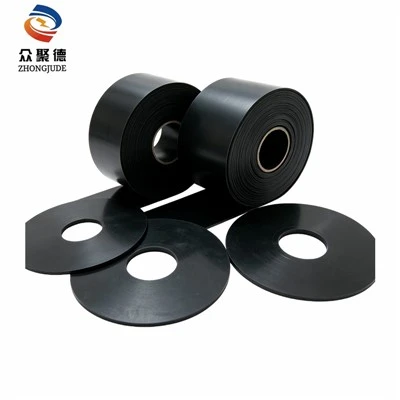
In conclusion, pedestrian bridge rubber pads can be considered eco – friendly, especially when produced, used, and disposed of in a sustainable manner. Our company is committed to promoting the use of these environmentally friendly rubber pads. We believe that by choosing our products, customers can not only ensure the safety and comfort of pedestrian bridge users but also contribute to a greener planet.
Electrical Insulation Rubber Mat If you’re interested in learning more about our pedestrian bridge rubber pads or have any questions about their eco – friendliness, we’d be more than happy to have a discussion with you. Whether you’re involved in a new bridge construction project or looking to replace the existing pads on a bridge, we can provide you with the right solutions. Contact us to start a conversation about your procurement needs and find out how our products can meet your requirements while being kind to the environment.
References
- "The Environmental Impact of Natural Rubber Production", Journal of Environmental Studies
- "Sustainable Recycling of Rubber Products", Proceedings of the International Waste Management Conference
- "Benefits of Rubber Pads in Infrastructure", Bridge Technology Quarterly
Hebei Zhongjude Power Technology Co., Ltd.
With abundant experience, we are one of the most reliable pedestrian bridge rubber pad manufacturers and suppliers in China. Welcome to buy bulk high quality pedestrian bridge rubber pad for sale here and get quotation from our factory. For price consultation, contact us.
Address: Shenghe Plaza, No. 88 Qilian Street, High-tech Zone, Shijiazhuang City, Hebei Province, China
E-mail: zhongjude@outlook.com
WebSite: https://www.zjdinsul.com/
