Hey there, Night Guard and Sports Guard
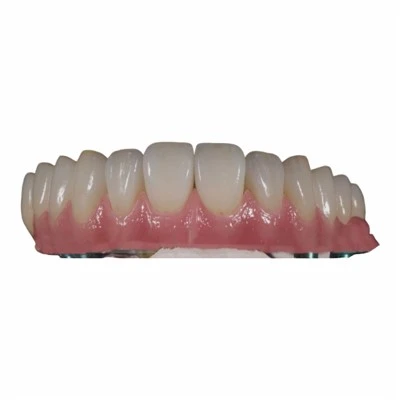
If you’ve ever walked past a kid limping off a basketball court, or seen a teammate rub their sore jaw after a clumsy tackle, you know how quickly a small sports moment can turn into a painful (and preventable) ouch. And for anyone who’s ever worn a night guard—whether you grind your teeth in your sleep or deal with a TMJ flare-up—you’ve probably wondered at some point: is this thing even safe? As someone who’s spent the last 7 years making night guards and sports guards for athletes, grinders, and everyone in between, I get that question all the time. Let’s cut through the noise, skip the fancy industry jargon, and talk about the actual safety standards that matter, because at the end of the day, your mouth isn’t something to mess around with.
First off, let’s get one thing straight: there’s no single, universal rulebook for all night guards and sports guards. But that doesn’t mean there aren’t strict, science-backed standards that every reputable manufacturer (hint: that’s us) has to follow. Let’s split this into two groups, because night guards and sports guards serve totally different jobs, so their safety checks are different too.
Starting with sports guards—these are the ones you see football players wearing, or soccer goalies, or even casual weekend warriors playing pickleball. Their whole purpose is to absorb impact, so if they’re not safe, they can actually make an injury worse, right? I used to make the mistake of buying cheap over-the-counter guards for my college football days (don’t do that—they fit horribly, slide around, and feel like you’re chewing on a plastic bag). Back then, I thought all guards were basically the same, but once I started working in this field, I learned that sports guards have to meet specific ASTM standards. Wait, what’s ASTM? It’s the American Society for Testing and Materials, a group that sets voluntary (but almost always industry-mandated) standards for everything from bike helmets to… well, mouth guards. For sports guards, the ASTM standard we follow is ASTM F1799. That standard tests for three big safety things: how much impact they can absorb, how durable they are, and that the materials they’re made of don’t leach bad chemicals into your mouth.
Let’s break that down. Impact absorption: if a guard breaks or crumbles when you get hit, it’s not doing its job. ASTM F1799 requires that a guard can take a certain amount of force without cracking or splitting—way more than a casual game would throw at it. We test every batch of our sports guards by simulating a blow that’s way harder than what a rec league player would get, and if even one guard breaks, the whole batch gets sent back. Then there’s material safety. A few years back, there was a tiny scare with some cheap overseas guards that had trace amounts of BPA or phthalates—chemicals that aren’t meant to be in your mouth long-term. ASTM F1799 bans those, period. All our guards use medical-grade thermoplastic that’s been tested and certified to have zero harmful additives, so you don’t have to worry about breathing in or swallowing weird stuff when you’re playing. And here’s the thing: that standard isn’t just a suggestion. Most high school and college sports programs actually require guards that meet ASTM F1799 for liability reasons—coaches don’t want their kids using something that could make a concussion or a tooth injury worse.
Now, what about night guards? These are the ones you wear while sleeping, usually for bruxism (teeth grinding) or TMJ pain. Night guards are worn for 7-8 hours a night, every single night, so their safety standards are a little different—they’re not dealing with sudden impact, but they’re in your mouth 24/7 (well, close enough). The big standard here is the ADA’s (American Dental Association) Seal of Acceptance. Wait, I know, the ADA seal—you’ve probably seen it on toothpaste. It applies to night guards too, and it’s way more strict than the sports guard standard, in my opinion. The ADA doesn’t just check materials; they test how the guard fits, how easy it is to clean (because no one wants a moldy guard in their mouth every night), and most importantly, that the guard doesn’t damage your teeth or gums over time.
A lot of people go the cheap OTC route for night guards, right? They get a boil-and-bite one from the drugstore, think it’s fine. But here’s the catch: those boil-and-bite guards often don’t fit right. If they’re too loose, they shift around while you sleep, and you might accidentally bite down on them hard enough to crack your teeth. If they’re too tight, they put constant pressure on your jaw, which can make TMJ worse instead of better. The ADA’s seal requires that night guards are custom-fitted (or at least semi-custom, which is what we make for most customers) so they fit your unique mouth shape. We take impressions or use 3D scans of each person’s teeth, so the guard isn’t a one-size-fits-all piece of plastic—it’s made just for your upper or lower teeth, so it stays in place all night without putting unnecessary pressure. Also, the ADA tests for material durability too—night guards have to last at least a year of nightly wear without getting brittle or breaking, because if it falls apart mid-night, you’re back to grinding your teeth.
But wait, standards aren’t just for big organizations, right? We have our own internal checks that go beyond the official standards. Because at the end of the day, we’re not just selling a product—we’re selling something that goes in someone’s mouth, which is a huge responsibility. For example, the ASTM standard for sports guards says they have to be tested for impact, but we add an extra step: we wear test guards ourselves for a week, then have our team of dental consultants check for any weird fit issues or signs of wear that the lab tests might miss. For night guards, the ADA seal says materials are safe, but we test every batch with our own in-house material tester to make sure there’s no weird chemical odor (which is a sign of low-quality plastic) before it goes out to customers.
I also want to address a common myth: people think “custom guards” are automatically better than OTC, and that’s true, but only if the custom guard is made with standards in mind. A lot of small online shops knock out custom guards in 2 days with cheap materials, and they don’t follow ASTM or ADA guidelines. We only work with licensed dental labs that have to follow state dental regulations for taking impressions—no cheap at-home impression kits that give a lousy mold of your teeth. If the impression is bad, the guard is bad, so we make sure our labs redo any impression that’s not perfect, no questions asked.
Another thing: kids. If you’re buying a guard for a kid playing youth sports, the standards get even more strict. Kids’ mouths are still growing, so their guards have to be flexible enough to adjust as their teeth come in, but still durable enough to take a hit. The ASTM F1799 has a separate subsection for youth sports guards, which requires that the materials are even softer than adult guards, so they don’t damage developing teeth, but still tough enough to absorb impact. We make a line of youth guards that meet that exact subsection, and every pediatric dentist we work with says it’s the best one on the market because it fits small mouths without being bulky—kids actually want to wear it, which is half the battle, right? No kid is going to keep a guard in if it’s so big they can’t breathe or talk.
Now, let’s talk about what happens if a guard doesn’t meet these standards. I’ve seen it first-hand. A few years back, a customer sent back a cheap sports guard she bought online—she’d worn it for a month, and it had started peeling at the edges, leaving little plastic flakes in her mouth. When she went to her dentist, he told her the guard was made with low-grade PVC, which isn’t allowed under ASTM F1799. That customer switched to our guards, and now she recommends us to her entire soccer team. Another example: a guy came to us with a night guard that he’d gotten from a drugstore for $10. It hurt his gums so bad after a week that he couldn’t wear it. Turns out the boil-and-bite guard had a sharp edge from being molded wrong, and it was causing tiny cuts on his gum line—something the ADA seal would have caught, because they test for sharp edges that could irritate soft tissue.
The thing is, most people don’t realize that these standards exist, because the industry doesn’t do a great job of advertising them. A lot of brands will just say “FDA-approved” or “safe” without backing it up with the actual standards. FDA approval, for example, is more about the materials being generally safe, but it doesn’t test fit or durability like ASTM or the ADA. So when you’re shopping for a guard, don’t just take a brand’s word for it—look for the ASTM F1799 stamp on sports guards, or the ADA Seal for night guards. If a brand doesn’t list that, it’s probably cutting corners, and that’s a risk you don’t want to take with your mouth.
As someone who’s been in this game for years, I’ll be honest: making guards that meet these standards isn’t cheap. We pay more for medical-grade materials, we work with licensed labs, we do extra testing batches—all that adds up. But we’d rather run a smaller business than sell something that could hurt someone. I’ve had so many customers tell us that our guards stopped their jaw pain, or that their kid didn’t get a tooth injury at a game because our guard held up. That’s why we do this.
If you’re a coach stocking up for your team, a dentist recommending guards to patients, or just someone looking for a night guard that’s actually safe, we can hook you up. We supply to schools, clinics, and individual customers, and all our guards meet the exact standards we talked about here. We do bulk orders for teams at a fair price, and for individual customers, we can walk you through the process of getting a custom guard that fits right.
At the end of the day, safety isn’t a buzzword for us—it’s the whole reason we exist. There are a lot of cheap guards out there that look the same, but cutting corners on standards can lead to real problems—cracked teeth, gum irritation, even chemical exposure. Don’t take that risk. If you want a guard that’s actually safe, that meets all the industry standards, and that’s made with care, reach out. We can send over samples, answer any questions, and get you set up with something that works for you or your team.
References
American Dental Association. (2024). Seal of Acceptance Program for Dental Protective Devices. Retrieved from ADA.org
ASTM International. (2023). Standard Specification for Mouthguards Used in Amateur Sports (ASTM F1799). ASTM International
World Health Organization. (2022). Safety of Dental Materials for Oral Use. WHO Press

Wait, hold on—before I wrap this up, let me add one quick note I almost forgot. A lot of people ask if you can clean your guard wrong and make it unsafe, even if it meets standards. Yes, that’s a thing. If you don’t clean your guard regularly, bacteria and mold can build up, which can cause gum infections. So for night guards, we recommend brushing them with a soft toothbrush and mild soap every night, and soaking them in a denture cleaner once a week. For sports guards, rinse them with water after every use, and give them a deep clean once a week. Even the best standard guard is useless if you’re not taking care of it.
Removable Prostheses Alright, that’s all I’ve got for today. If you have more questions, or if you’re ready to order for your team or yourself, just reach out. We’re here to make sure your mouth is protected, no fancy stuff, no hidden costs—just safe, high-quality guards that do what they’re supposed to do.
Shenzhen Tuomei Dental Technology Co., Ltd.
We are one of the most professional night guard and sports guard manufacturers and suppliers in China, featured by quality products and low price. Please rest assured to buy discount night guard and sports guard made in China here from our factory. Welcome to view our website for more information.
Address: Room 301, Building C Fuhe Industrial Park No.18 Hexiu West Road, Zhancheng Community Fuhai Subdistrict, Bao’an District, Shenzhen, Guangdong, China
E-mail: dentallab.works@gmail.com
WebSite: https://www.sztuomeidentallab.com/
