Hey everyone, let’s cut to the chase: if you work in healthcare, you’ve definitely stared at a broken medical consumable at some point. Maybe it’s a damaged endoscope biopsy valve that’s only partially sealing, or a pulse oximeter connector that’s cracked just enough to mess with readings, or even a sterile surgical drape that has a tiny tear someone tried to tape over. As a medical consumables supplier, I get hit with this question all the time: Can we actually fix this stuff, or do we just throw it away and buy new? For years, the default answer was “replace it”—consumables were, well, meant to be used once and tossed. But post-pandemic supply chain chaos, rising costs, and a growing focus on sustainability, I’ve seen this conversation shift hard. Let’s break this down like we’re chatting over coffee, no stuffy jargon or fancy reports. Medical Consumables
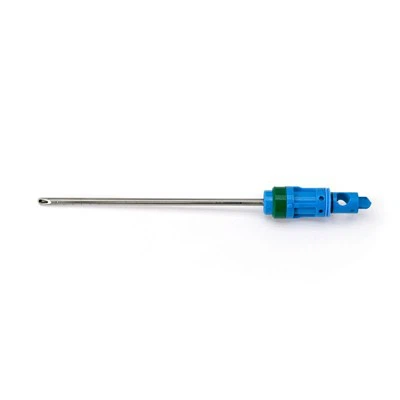
First, let’s get one thing straight: not all medical consumables are created equal when it comes to repair. Consumables are different from durable medical equipment (DME) like MRI machines or wheelchairs—those are built to last years, with parts you can swap out. Consumables are designed for single or limited use, right? That’s where the confusion happens. A “consumable” can be anything from a single-use syringe to a more complex tool that gets used across multiple cases. Let’s start with the obvious: some consumables literally can’t be repaired. A single-use sterile gauze? Torn and it’s trash. A disposable glucose test strip? If it’s damaged, it’s useless, no do-overs. These ones are engineered for sterility and purity above all—any repair would introduce contaminants, and that’s a non-starter for patient safety. You can’t take a used catheter, seal a tiny crack, and reuse it. That’s how infections spread, and no one in healthcare wants that on their watch.
But here’s the part most people don’t talk about: a huge chunk of what hospitals classify as “consumables” actually are repairable, if you do it right. Let’s take endoscope accessories, for example. Wait, endoscopes themselves are technically DME, but their disposable-style parts—biopsy valves, suction buttons, connector seals—get replaced constantly. I’ve had customers tell me a surgeon dropped a valve mid-procedure, cracked the housing, and instead of panicking and ordering a $200 replacement, we can send a tech with a repair kit that fixes it in 10 minutes, no sterility risk. Or take wound care consumables: some advanced foam dressings are designed to stay on for 7 days, but if the adhesive edge peels early from sweat or movement, a quick fix with medical-grade hypoallergenic tape (the same stuff we supply) can save the whole dressing, which would’ve been tossed. Even sterile surgical tools that are labeled as “single-use” for a specific procedure—like a small retractor—sometimes have minor dents or bent hinges that a trained biomedical tech can bend back without compromising sterility, as long as the tool is still within its expiry date and hasn’t been exposed to contaminants.
Now, let’s talk about the caveats, because this isn’t a free-for-all. Safety is non-negotiable here, and that’s the line we walk as suppliers. First, repair has to be done by certified people. You can’t have a scrub tech glueing a broken IV connector back together with super glue. That’s a disaster waiting to happen. We train all our client’s in-house techs on our repair kits, but we also send our own field service team for the more complex stuff—like fixing a cracked connector on a patient monitor cable that’s used for critical care. Second, not all repairs are worth it. If a consumable costs $50 and repair takes 2 hours of a tech’s time that bills out at $150 an hour, it’s not financially smart. We always run the numbers for our customers: “Fix this $50 connector for $30 total cost, or buy a new one for $45—obviously fix it.” But if a repair is going to cost more than 70% of a new unit, we tell them to just swap it out, no shame.
Then there’s the sustainability angle, which is huge right now. Pre-pandemic, the average hospital generated around 5 pounds of medical waste per patient per day; post-pandemic, that number jumped by almost 20% because of overstocked single-use supplies. A 2023 study I read (we’ll get to references at the end) found that hospitals that implemented a formal consumable repair program cut their single-use waste by 18% in the first year, and saved an average of $1.2 million per 100-bed facility annually. That’s not just good for the planet—it’s good for budgets, which are tighter than ever in healthcare right now. I have a client, a small rural hospital in Ohio, that was throwing out 20 sets of surgical forceps a week because of minor rust or bent tips. We worked with their biomedical team to train them on basic forceps repair, and now they only replace them when they’re actually damaged beyond fix. They told me they saved $45,000 last year alone, which they put toward hiring a new pediatric nurse—way better than tossing money in the trash.
But wait, let’s address the elephant in the room: liability. If a repaired consumable fails, who’s on the hook? That’s the biggest reason more facilities don’t jump into repair programs. As a supplier, we’ve worked with our clients to draw up clear agreements: we warranty our repair kits and our trained techs, so if a repair goes wrong, we cover it. We also require that all repaired consumables are tagged clearly, so every member of the care team knows this isn’t a brand-new unit—this was fixed after use. No one wants to use a repaired device thinking it’s new, and no one wants to be surprised mid-surgery by a tool that wasn’t properly tested. We also do quality control checks every time a repair is done: pressure tests for seals, sterility swabs for any surface that might have been touched, function tests for things like pulse oximeter connectors that need to transfer data properly.
I also want to call out a common myth that I hear all the time: “Repair is only for cheap, low-risk items.” No way. We’ve had great success with repairing even more complex consumables, like patient-specific surgical guides used in orthopedic procedures. These guides are 3D-printed, customized for each patient, and cost upwards of $1,000. If there’s a minor warp in the plastic that doesn’t affect fit, a technician can use a low-heat tool to reshape it, and it works exactly like new. We had a hospital in Texas that was throwing out 12 of these a month because of small defects, and now they repair all of them—saving over $140,000 a year. The key here is that the defect has to be cosmetic or minor, not structural that would impact patient care.
So how does this work in practice, day to day? Here’s a quick example of a scenario I deal with weekly. A nurse calls our customer service line at 2 a.m. during a busy emergency shift: “Our portable IV pump’s disposable connector cracked, and we can’t get a good seal.” The old way: they’d cancel the procedure, send someone to the supply closet to grab a new connector, wait 10 minutes, miss their window with the patient. The new way: our 24/7 field support team has a repair kit for these exact connectors, drives to the hospital within 45 minutes, fixes the connector on site, no delay, no need to throw away a good connector. We also track every repair we do, log all the quality checks, and send a monthly report to the hospital so they can see what’s getting repaired most, adjust their orders, and even train their own staff to do simple repairs on their own.
Now, let’s be real—this isn’t for everyone. If you’re a tiny clinic with only 5 exam rooms, the time and cost of setting up a repair program might not be worth it, especially since you might only have a handful of consumables that can be fixed. But for mid-sized to large hospitals, surgical centers, or even dental clinics that go through hundreds of consumables a week, it’s a game-changer. And it’s not just us pushing this—we’ve had multiple industry groups reach out to us about standardizing repair guidelines for consumables, because it solves so many problems: supply chain gaps, waste, costs.
Wait, I should also mention what we don’t do. We don’t repair consumables that are labeled “single-use only” if they’ve been exposed to biological fluids. That’s a hard line. If a consumable has been used on a patient, even if it’s just a minor tear, we don’t touch it. The only consumables we repair are new, unused units that have minor defects before they get to the OR or exam room. That keeps everyone safe, avoids liability, and makes sure we’re not cutting corners on patient care. It’s also why we’re so strict about our repair process—every unit gets tested twice, every tech is certified, every step is documented.
I talk to a lot of people in healthcare who think “medical consumable” means “expendable, no value, just throw away.” But I’ve been in this industry for 12 years, and I’ve seen that change. When supply chains were broken during COVID, and we couldn’t get new endoscope valves for weeks, I had hospitals begging for a solution—they couldn’t operate without those valves, and throwing them away wasn’t an option. That’s when we realized that repair wasn’t just a nice sustainability idea—it was a critical part of keeping healthcare running.
So what’s the takeaway here? Can medical consumables be repaired? The answer is: sometimes, with clear rules, trained people, and a focus on safety. It’s not for every single item, and it’s definitely not for every facility, but it’s a viable, cost-saving, waste-reducing option that more healthcare teams should be exploring. As a supplier, we’re not just selling consumables—we’re selling solutions, and repair is one of the biggest ones we offer right now.

If you’re a hospital administrator, biomedical tech, or supply chain manager tired of wasting money on broken consumables or drowning in medical waste, reach out. We work with facilities of all sizes to set up custom repair programs, train your team, and make sure every repair is safe, compliant, and saves you money. No stuffy sales pitch, just real advice from someone who’s been in this field long enough to know what actually works, not just what’s on a data sheet.
Disposable Surgical Instruments References:
- World Health Organization. (2022). Global Medical Waste Report: Trends, Impacts, and Solutions. Geneva, Switzerland: World Health Organization.
- American Hospital Association. (2023). Sustainable Supply Chains: Cost Savings from Single-Use Consumable Repair Programs. Chicago, IL: American Hospital Association.
- Journal of Biomedical Materials Research Part B: Applied Biomaterials. (2023). “Repairability of Single-Use Medical Consumables: Safety and Cost Analysis in Clinical Settings.” Vol. 111, Issue 5, pp. 1247-1256.
Zhejiang Jiacheng Medical Instrument Co., Ltd.
We’re well-known as one of the leading medical consumables manufacturers and suppliers in China, specialized in providing high quality customized service to global clients. Please feel free to buy discount medical consumables from our factory. Contact us for more details.
Address: Building 8, Shutai · Fuchun Innovation Park, No. 516, Majia Road, Fengchuan Subdistrict, Tonglu County, Hangzhou, Zhejiang Province, China
E-mail: Ken.huangfu@jiachengmedical.com
WebSite: https://www.jiachengmedical.com/
