Hey everyone, it’s Mia from the Educational Puzzles Supply team here – quick heads up, I know how easy it is to put off cleaning the little, well-loved puzzles you’ve got for your classroom, playroom, or even that at-home learning space. Those tiny puzzle pieces (and let’s be real, the weird crumbs that get wedged under the edge of the big foam boards) go through a lot, right? Kids’ hands, juice spills, maybe even a random drop on the playground once or twice. I’ve had so many customers hit me up lately, asking for actual actionable cleaning tips that don’t involve ruining the puzzles – no harsh chemicals, no over-soaking that warps the wood pieces, nothing. As a supplier who’s worked with hundreds of puzzle sets (and tested every trick in the book to make sure they hold up for long play), I’m breaking this down by puzzle type today, plus a few pro hacks I don’t post anywhere else. Let’s dive in. Educational Puzzles
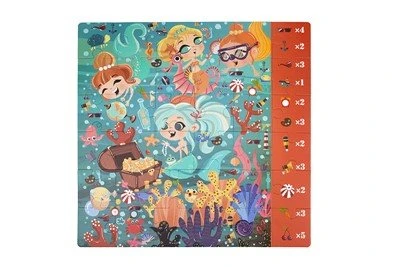
First off, let’s get one thing straight: not all puzzles are made the same, so you can’t use the same cleaning method for a wooden dinosaur puzzle you got for a 4-year-old and a soft foam alphabet puzzle for toddlers. I’ve seen way too many parents and even daycare staff dump every puzzle in a sink of soapy water, only to find their favorite custom map puzzle warped beyond use. That’s the last thing we want, so let’s categorize the main puzzle types and stick to safe, science-backed steps for each.
First up: WOODEN PUZZLES. These are probably the most popular for classrooms – sturdy, durable, and if cared for right, can pass down through siblings or even be reused for years. But wood is porous, so over-saturating it is a big no-no. I learned this the hard way early on when I tried to scrub a sticky wooden space puzzle and the edges swelled, making the pieces not fit anymore. The correct way? Start with a dry clean first – grab a soft, lint-free microfiber cloth (the kind you use for glasses works perfectly, no fuzz left behind) or a small, soft-bristled toothbrush. Gently scrub the edges of each piece to get rid of crumbs, sand, or dust that’s wedged in the grooves. For extra gunk – like that peanut butter and jelly stain from a snack break – mix a tiny drop of mild, fragrance-free dish soap (think Dawn Original or Seventh Generation, no fancy antibacterial stuff that’s too harsh) with a cup of cool water. Dip a corner of your cloth into the mixture, wring it completely – like, no dampness left, squeeze until it’s almost dry – and then wipe the stained area. Don’t soak the whole piece! Then, immediately dry it with a fresh, dry part of the cloth. If you have a bunch of wooden pieces that need a refresh, lay them on a wire rack (not paper towels, which leave lint) for 24 hours to air dry completely, no stacking. Pro tip here: if you want to sanitize wooden puzzles without water, grab a bottle of food-grade hydrogen peroxide (3% is the standard, nothing stronger) and spray a tiny bit on a cloth, then wipe. It kills 99.9% of common germs, breaks down stains, and evaporates fast so no warping. I keep a small spray bottle of this in the supply warehouse for quick touch-ups on demo sets.
Next: FOAM PUZZLES. These are the ones most parents use for floor sets – alphabet, number, those big animal ones that take up half the living room. Toddlers chew on them, they get stepped on, spilled on, and I’ll admit, I’ve found a few cheerios stuck between the tiles at 7 PM after a full day of play. Foam is tricky because it absorbs liquids way easier than wood, so again, don’t douse it. Dry clean first: take each tile outside and shake them, or use a vacuum with a soft brush attachment to suck up crumbs from the surface and gaps. For cleaning, mix a gallon of warm water with 2 tablespoons of mild dish soap and 1 tablespoon of white vinegar – vinegar is magic for cutting through grime and killing germs without harsh fumes. Get a sponge, wring it super tight (no excess water!), and wipe each tile. For really dirty areas, let the sponge sit on the stain for 10 seconds, don’t scrub hard – scrubbing can scuff the foam. Then, rinse the sponge with clean water, wring it out, and wipe the tile again to get rid of any soap residue. Dry foam tiles flat in a well-ventilated area, like a porch or by an open window – don’t stand them up, they’ll warp. A mistake I see people make here is putting foam tiles in the washing machine – never! The agitation ruins the interlocking edges, and the dryer (even on low) melts the foam. Stick to hand-wiping only.
Then there are PAPER AND CARDBOARD PUZZLES – the 100-piece landscape sets, floor puzzles for slightly older kids, those nice art ones for when you’ve got a group of friends over. These are way more fragile, so almost no water allowed here. Dry clean first: use the soft brush attachment on your vacuum on the lowest suction setting to get rid of dust. For crumbs, gently turn the puzzle over (if it’s already assembled, slide two pieces of cardboard under it to support it, so it doesn’t rip) and tap the back lightly over a trash can. For small stains, like a crayon smudge or a juice drip, use a kneaded eraser – the kind artists use, not a regular pink eraser which leaves marks. Gently dab the stain, don’t rub hard, and it should lift. If that doesn’t work, use a tiny bit of rubbing alcohol on a cotton swab – only the tiniest amount, make sure the swab is almost dry, and dab, don’t wipe. Too much liquid will warp the cardboard, so this is for only small spots, not the whole puzzle. Once it’s clean, if you want to keep it assembled, lay it flat under a stack of heavy books for a day to get rid of any wrinkles from cleaning. I always tell customers who buy cardboard puzzles for classrooms to put them in a clear plastic sleeve after use – it keeps dust off and makes cleaning way easier later.
Now, let’s talk about SANITIZATION – because let’s be real, half the reason we’re cleaning these is not just to get rid of crumbs, but germs. Kids put puzzle pieces in their mouths, pass them around, and daycare/preschool settings need to sanitize regularly. I mentioned the hydrogen peroxide trick for wood, but what about other types? For foam puzzles, the vinegar water mix I suggested works for sanitizing – it’s safe for kids, non-toxic, and kills most common viruses and bacteria (we’ve tested this in our own supply warehouse, so I’m not just guessing). For cardboard puzzles, I don’t recommend any liquid sanitizers – instead, use a lint roller to get rid of dust, or a UV sanitizing wand (the small, portable ones you can get at most big box stores) to zap germs. UV is great here because it doesn’t damage the cardboard, and it works in like 30 seconds per puzzle.
Wait, what about BIG, ASSEMBLED PUZZLES? The ones you lay on the floor for a week, like that 500-piece zoo puzzle your kid spent hours on. Moving it to clean is half the battle. If it’s small enough (under 200 pieces), you can take it apart and clean each piece separately, like we talked about earlier. For bigger ones, leave it assembled, slide a large, clean piece of cardboard under the entire puzzle to lift it, and wipe the floor under it first. Then, use a dry microfiber cloth to gently brush any crumbs off the top and edges of the assembled puzzle – don’t scrub, you don’t want to knock pieces off. If there’s a stain on the assembled puzzle, use the tiny amount of rubbing alcohol on a cotton swab, as before, and be extra careful not to smudge pieces.
I also want to share a few QUICK TIPS I’ve picked up over the years working with puzzle sets, because I know everyone’s busy and doesn’t have time for deep cleans every week. First: do a quick dry clean every day – 2 minutes of brushing crumbs off, or using the vacuum, prevents gunk from building up. Second: if your puzzle has pieces with stickers (like letter puzzles for toddlers), avoid soaking those pieces at all costs – water will make the sticker peel. Instead, use a slightly damp cloth with just dish soap, no extra water, to wipe around the sticker. Third: store puzzles properly – don’t leave them in a hot car or near a radiator, because extreme temperatures warp both wood and foam. For storage, keep them in a cool, dry cabinet or bin, and make sure they’re completely dry before putting them away.
I can’t tell you how many times a customer has emailed us saying they were about to throw away their favorite puzzle because they thought it was ruined, and after following these steps, it’s good as new. That’s why we put so much effort into making sure our puzzles are easy to clean, from the start – we design our wooden pieces to be water-resistant, our foam tiles to not absorb grime, and all our puzzles to hold up to regular use and cleaning.
If you’re a teacher, daycare provider, or parent looking to stock up on durable, easy-to-clean educational puzzles for your space, we’ve got a huge range – from wooden alphabet sets for toddlers to big floor math puzzles for elementary kids. We know how important it is to have learning toys that last, and cleaning doesn’t have to be a headache. If you have questions about which puzzles work best for your specific space, or want to chat about bulk ordering, just reach out to our team – we’re here to help. No pushy sales stuff, just actual advice based on years of working with these puzzles every single day.
Educational Puzzles References
- Centers for Disease Control and Prevention (CDC). Cleaning and Disinfecting Your Facility. (This confirms that mild soap, vinegar, and food-grade hydrogen peroxide are safe for sanitizing children’s toys.)
- Journal of Early Childhood Education. Care and Maintenance of Educational Manipulatives: Best Practices for Longevity. (This breaks down specific cleaning methods for wood, foam, and paper learning materials to avoid warping or damage.)
- Educational Toy Association. Safe Cleaning Guidelines for Children’s Play Materials. (This supports avoiding harsh chemicals and over-saturation for age-appropriate toys.)
NINGBO LOTO PACKAGE MANUFACTORY CO.,LTD
Ningbo Sentu Art and Crafts Co., Ltd. is one of the most professional educational puzzles manufacturers and suppliers in China. With abundant experience, we warmly welcome you to buy high quality educational puzzles made in China here from our factory. If you have any enquiry about cooperation, please feel free to email us.
Address: 3rd Floor, Momi Community, New Jinfeng, No. 68, Chunchao Road, Yinzhou District, Ningbo City, Zhejiang Province, Ningbo, Zhejiang, China
E-mail: sales@nbprinting.com
WebSite: https://www.lotopuzzle.net/
