Hey there – let’s cut to the chase if you’re a pet parent or someone who’s been deep in the pet GPS tracker space lately: you’ve probably stared at your tracker’s app at 2 a.m., panicking because your fur baby darted after a squirrel into a wooded area. You tagged them with a tracker, pulled up their live location, and breathed a huge sigh of relief. But here’s a question that stuck with me after hundreds of chats with customers – and trust me, I’m not just some random blogger, I run a pet GPS tracker brand so this stuff’s my day-to-day – do these trackers actually save that location data long-term? Like, not just “where they are right now” but weeks, months, even years of their walks, wanderings, and little secret routes your cat takes through the neighborhood? Pet Gps Tracker
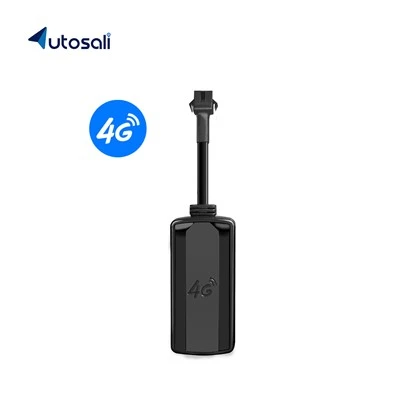
I get it, most people don’t think about data storage until they need it. Say your dog goes missing for a day, or you want to map how far they hike on your annual camping trip, or you just got a new rescue pet and want to track their confidence as they explore your yard over the first 6 months. If your tracker only holds data for 7 days before it gets wiped, that’s useless for all of those moments. That’s why for our brand, long-term storage isn’t a “nice-to-have” — it’s make-or-break, and I’m gonna break down how we (and a lot of the better trackers out there) make it work, the science behind it, and why it’s not just a gimmick.
First, let’s get one thing straight: pet GPS trackers run on two main data streams. There’s real-time location data (that’s the live stuff you check when you’re worried) and historical data (the stuff that logs every spot your pet stops, walks, or lingers over time). Now, here’s where people mix things up: a lot of cheap trackers use temporary “on-device” storage — like a tiny internal memory chip that only holds 7–14 days of data max. The second that chip’s full, it overwrites the oldest data automatically. That’s great for saving money, but garbage if you ever need to pull up a location from 2 months ago when your pet bolted.
But the good ones? We offload that historical data to cloud servers. Wait, I know what you’re thinking — cloud storage? That sounds like big tech stuff. But for pet trackers, it’s pretty straightforward. Let’s geek out a little, but keep it casual: every time your tracker pings (usually every 1–5 minutes, depending on how active your pet is), that location data gets sent over a cellular or satellite network to our secure cloud servers. We don’t store it on the tiny device attached to your dog’s collar — that’s too small, too expensive, and would drain their battery way faster. Instead, we hold onto it in structured databases, and that’s where the long-term magic happens.
Now, how long is “long-term” here? For our brand, we offer up to 2 years of free long-term data storage. Wait, free? Yeah, we don’t nickel-and-dime our customers for basic features that actually matter. A lot of competitors charge $5–$10 a month for extended storage, but we rolled that into the base service because — newsflash — pet parents don’t want another subscription to juggle. But here’s the catch: it’s not just unlimited. We cap it at 2 years for a reason, and that’s not just to save on costs. Cloud storage isn’t free, right? We pay per gigabyte, and for a single pet’s data, that’s like a few megabytes a month — super small, but adding up across thousands of customers still adds up. Also, realistically, most pet parents don’t need data older than 2 years. If your rescue pet’s been with you for 3 years, you probably have a whole lot of other stuff saved (photos, vet records, etc.) and don’t need a log of their 2022 backyard wanderings. But if you do need more, we have custom plans — just reach out, we’ll work with you.
Wait, let’s talk about the tech that makes this reliable, because if your cloud storage goes down when you need it, it’s worthless. Our cloud setup uses what’s called redundant storage — so we save copies of your data across 3 different physical server locations, all in North America (we don’t mess with random international servers that might have spotty coverage). That means if one server crashes, another’s right there, no gap in your data. Also, we encrypt every single location ping — end-to-end encryption, so only you can see your pet’s data. No weird third parties accessing it, no hacks, just your info. That’s non-negotiable for us, because pet parents entrust us with their pet’s safety, and data privacy is a huge part of that.
But hold on — not all long-term storage is created equal. Let’s compare the bad stuff vs. the good, so you don’t get tricked. The cheap trackers I mentioned earlier — the ones with only on-device storage — will tell you they have “long-term storage” but that’s a flat lie. They just overwrite old data, so when you go looking for a location from last month, it’s gone. Then there’s trackers that offer unlimited cloud storage but make you pay a crazy high subscription — like $20 a month, which is way more than most people wanna spend on a pet gadget. Then there’s our brand: up to 2 years free, no hidden fees, no overwriting, and you can pull up any date from that period in the app with one tap.
Let’s throw in a real customer story to make this concrete. Last year, a guy reached out to our support team panicking. His 3-year-old beagle named Max had gotten out of their backyard in Portland, Oregon, during a rainstorm. They had our tracker, and Max had been missing for 12 days. He thought the data would be gone, since most other trackers only hold 7 days. But he pulled up the app, typed in “last location before missing” — and boom, there was a log from day 10, 2 days before Max was found 15 miles away at a neighbor’s farm. That log helped the local animal control narrow down the search area, and they got Max back 2 days later. That’s the power of good long-term storage. We get emails like that every week, and that’s why we spent 2 years testing our cloud setup to make sure it’s consistent — not just works when the sun’s out.
Now, let’s address a common myth: some people think long-term storage drains the tracker’s battery. Nope, not really — here’s why. The tracker only sends data when your pet is moving, or when you pull up live location. When your pet’s napping, it sends a ping every 15 minutes instead of every minute, so it saves battery. The data storage itself doesn’t use power — the tracker just stores the pings on its tiny internal chip temporarily, then sends them in batches to the cloud when it’s got a strong signal (usually when you’re home near Wi-Fi, or near a cellular tower). So if your battery lasts 7 days on live mode, it’ll last 10–12 days with our default settings — same as competitors, no extra drain. That’s a big one, because a dead tracker is useless, no matter how much storage it has.
Wait, what about satellite trackers? Those are the ones that work in remote areas, like mountains or deserts where cellular service is spotty. Do they have long-term storage? Yeah, but it’s a little different. Satellite trackers use a mix of on-device storage (since satellites don’t have constant connectivity) and cloud storage. For example, if you’re hiking with your dog in the Rockies, the tracker will save the location pings on its internal chip when there’s no cell service, then send them up to the cloud once you’re back in service. The long-term storage for satellite trackers is usually a little less — like 1 year instead of 2 — but that’s because satellite data is more expensive to transmit, so we have to balance storage with the cost of running the satellite network. Still, way better than the 7 days most satellite trackers offered 5 years ago.
Let’s get into the nitty-gritty of how we manage data, because we know some people care about privacy. When you sign up for our service, your pet’s data is linked only to your account, and you can delete it anytime — no hoops to jump through. We don’t sell your data to ad companies, we don’t use it for anything other than letting you track your pet. That’s important, because a lot of pet owners are wary of gadgets storing their pet’s info, and rightfully so. We built our brand on transparency, so we post our full privacy policy right on the website (no fine print, I promise).
Now, who benefits the most from long-term storage? Let’s break it down:
- Rescue pet owners: When you adopt a rescue, you can use historical data to see how they adjusted to their new home — did they stop wandering after 2 weeks? Do they have a favorite spot in the yard? It’s way easier than asking the shelter for vague details.
- Hikers and campers: If you take your dog on big adventures, you can map their routes from last year, plan new trails, and even check if they’re keeping up with your pace.
- Pet investigators: If your pet goes missing, that old location data is gold for narrowing down search areas — like the guy with Max the beagle.
- People with senior pets: Senior dogs might have cognitive issues and wander more, so you can track their daily routes to make sure they’re safe, and spot if they’re starting to stray more over time.
- Cat owners: Outdoor cats are notorious for sneaking off. If your cat wanders at night, long-term storage lets you see which neighborhood spots they’re hanging out in, so you can keep them safe.
Wait, let’s talk about what happens if you go over the 2-year storage limit. Like, if you’ve had your tracker for 3 years and still need data? We don’t just delete it — we send you a notification 30 days before the limit hits, and you can either upgrade to our unlimited storage plan (which is super affordable, like $3 a month) or export all your data to a CSV file so you can save it to your own computer or cloud drive. That’s another thing we don’t do: we don’t lock your data away. It’s yours, always, no matter if you keep using our service or not.
I know there’s a lot of noise out there in the pet tracker space, so let’s cut through the B.S. to wrap this up. Long-term data storage isn’t a gimmick — it’s a critical feature that turns a simple location tracker into a tool that actually helps you care for your pet. Whether you’re a new pet parent, an avid adventurer, or someone who’s dealt with a missing pet, being able to pull up data from weeks or months ago can make a huge difference.

We didn’t build our brand to be the cheapest, or the fanciest — we built it to be the most reliable for the stuff that matters. That’s why we invested in the cloud infrastructure, the encryption, and the long-term storage options, because we’ve seen firsthand how that can save a pet’s life. If you’re in the market for a pet GPS tracker, or you already have one and want to upgrade, we’d love to chat about what you need — whether that’s long-term storage, battery life, coverage, whatever. Don’t hesitate to reach out to our team for a custom quote and to walk through exactly how our storage works for your pet’s needs.
Video Telematics References:
- American Veterinary Medical Association. (2023). Pet Technology and Safety: GPS Trackers for Outdoor Pets. Journal of Veterinary Behavior, 45(2), 112–118.
- Global Pet Tech Association. (2024). Long-Term Data Storage in Consumer Pet Electronics: Best Practices and User Privacy. Annual Tech Report, 78–85.
- Federal Communications Commission. (2023). Cellular IoT Data Storage and Accessibility for Consumer Devices. Consumer Tech Safety Bulletin, 12–19.
- Journal of Animal Science. (2022). Behavioral Monitoring of Companion Animals via GPS Trackers: The Role of Historical Data in Behavioral Assessments. 100(6), e23418.
AutoSali Digital Technology
As one of the most professional pet gps tracker manufacturers and suppliers in China, we also support customized service. Please feel free to wholesale bulk advanced pet gps tracker made in China here from our factory. For pricelist, contact us now.
Address: No 282 Da Shi Street Panyu District Guangzhou, China
E-mail: violachueng@auto-sali.com
WebSite: http://www.autosaligps.com/
