If you’re reading this, chances are you’ve invested in resin fickert abrasives for your stone fabrication, metal grinding, or surface finishing operation—and you already know how critical these tools are to delivering precision, smooth finishes, and consistent results. But here’s a truth that’s easy to overlook: even the highest-quality resin fickert won’t perform as intended if it’s stored wrong. Over the years, I’ve watched customers bring in seemingly worn-out abrasives that just needed a fix in storage, or conversely, brand new batches that degraded within weeks because they were left in a hot warehouse or stacked haphazardly on a concrete floor. As a supplier who’s been working with resin-based abrasives for nearly 18 years, I’ve learned that proper storage isn’t just a box to check—it’s how you protect your investment, reduce waste, and keep your operations running smoothly. Resin Fickert Abrasive
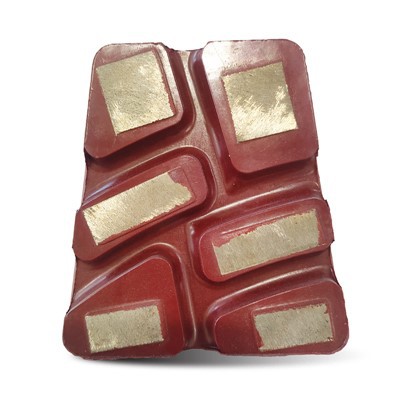
Let’s start with the basics: what makes resin fickert abrasives unique, and why their storage needs are different from other abrasives. Unlike dry abrasives or diamond tools with nickel plating, resin fickerts are bonded with a thermoset resin matrix that holds abrasive grains (usually aluminum oxide, silicon carbide, or diamond) in place. That resin is sensitive to environmental factors: extreme temperatures, moisture, direct sunlight, and physical stress can break down its molecular structure over time. For example, too much heat can soften the resin, causing grains to fall off prematurely before the tool has done its full work. Too much cold can make the resin brittle, leading to chipping or cracking during use. Moisture is another big one: resin absorbs water over time, which weakens the bond and can also lead to mold or mildew growth if stored in a damp space.
I once had a customer in Chicago who ordered 12 new resin fickerts for his granite countertop polishing business. He stored them in the back of his unheated warehouse over the winter, and by the time he pulled them out in spring, half of them had cracked down the center. When I asked how he stored them, he admitted he’d just stacked them on the floor against a cinder block wall. That’s a common mistake—and a costly one. If you’re not storing your resin fickerts correctly, you’re essentially throwing money down the drain.
So, what does proper storage look like? Let’s break it down step by step, using practical, actionable tips I’ve tested with hundreds of customers across different industries.
First, control the temperature and humidity in your storage area. This is non-negotiable. Resin fickert abrasives perform best in a temperature range of 15°C to 25°C (59°F to 77°F) and relative humidity between 40% and 60%. Why? Temperatures outside this range disrupt the resin’s chemical balance. If your warehouse runs colder than 10°C (50°F) in winter, the resin matrix becomes rigid and prone to cracking when handled, especially if you drop a stack of fickerts or set them down hard. If it’s hotter than 30°C (86°F) in summer, the resin softens, which can cause the tools to deform—so a round fickert might develop an oval shape, making it impossible to mount correctly on your polisher and leading to uneven finishes.
Humidity is equally important. Moisture in the air can penetrate the resin, weakening the bond between the abrasive grains and the matrix. I’ve seen fickerts stored in a basement with no dehumidifier go from sharp to dull in two months, simply because they absorbed too much water. Low humidity, on the other hand, isn’t great either—if humidity drops below 30%, the resin can become dry and brittle, just like when it’s too cold. How do you maintain the right levels? If you’re in a region with extreme weather, invest in a small dehumidifier (for humid climates) or a space heater and humidifier (for dry, cold climates) for your storage area. Even a basic thermostat-humidistat combo will help you keep track of conditions, so you don’t have to guess.
Next, handle and position your resin fickerts with care. These tools are made to be sturdy, but they’re not indestructible. The biggest mistake people make here is stacking them too high or placing heavy items on top of them. A good rule of thumb is to never stack more than 6 to 8 fickerts at a time. If you stack more than that, the weight of the top ones can compress the lower tools, warping their shape and damaging the resin bond. I once worked with a countertop shop that stacked 15 fickerts on top of each other, and the bottom three were so deformed they couldn’t be used at all. To avoid this, store them vertically whenever possible—stand them on their edge, like you would with a stack of plates. This eliminates the risk of warping from horizontal pressure. If you have to store them horizontally, use a flat, sturdy shelf (not a rickety pallet) and make sure they’re evenly spaced, not pressed against each other tightly. Never set heavy equipment, boxes, or chemicals on top of stored fickerts—even a single 50-pound box of polishing compounds can do permanent damage if left on a stack overnight.
Another point here: never store resin fickerts directly on concrete floors. Concrete is porous, and it absorbs moisture from the ground, which wicks up into the tools over time. Even if your concrete floor looks dry, it’s almost always holding some moisture. Instead, elevate your storage off the floor. Use wooden pallets, plastic storage racks, or even sturdy plastic bins placed on top of pallets to keep your fickerts above the floor. I’ve seen customers put fickerts directly on concrete, and within three months, the edges of the tools had started to discolor and soften from moisture seeping in. A few dollars worth of pallets can save you hundreds in wasted tools.
Light exposure is a factor most people don’t think about, but it matters. Direct sunlight, especially UV rays, can break down the resin matrix over time, causing it to degrade faster than normal. If you store your fickerts near a window or in a space that gets constant direct sun, you’ll notice the resin turning yellow or brown, and the abrasive grains will start to loosen far earlier than they should. To fix this, store your abrasives in a dark area—like a closed storage room, a cabinet, or a covered shelf. If you have to store them in a space with windows, keep them covered with a dark cloth or plastic sheeting that blocks UV rays. Avoid any storage area with artificial light that’s too bright, either—long exposure to fluorescent or LED light can also contribute to resin breakdown, though not as quickly as sunlight.
Now, what about packaging? Most resin fickerts come sealed in plastic bags or boxes when they’re shipped from the manufacturer, and that packaging is there for a reason. If you’re not going to use the entire batch at once, don’t throw away the packaging. Keep unused fickerts in their original sealed bags or boxes until you’re ready to use them. The plastic packaging protects them from moisture, dust, and light, all of which can damage the resin. I’ve had customers open a new batch of fickerts, pull out a few, and leave the rest sitting on a shelf in their original cardboard box (which is porous) with no plastic wrapping. Within a month, those remaining tools had absorbed enough ambient moisture to become dull and unusable. If you’ve thrown away the original packaging, wrap unused fickerts in airtight plastic wrap or store them in sealed plastic bins with a desiccant packet (the small silica gel packets you get with electronics or food work perfectly). The desiccant will absorb any excess moisture, keeping the resin dry and strong.
What about used resin fickerts? A lot of people ask if the same storage rules apply to tools that have already been used, and the answer is yes—maybe even more so. Used fickerts have a worn resin surface, which means they’re more porous and more susceptible to moisture damage. If you finish a job and just toss a used fickert in a corner, it could develop mold or rust (if the abrasive is exposed) over time, making it unsafe to use or less effective. After using a fickert, give it a quick clean to remove any debris or slurry (for stone applications) before storing it. A soft brush or compressed air will remove most of the dust and grit, and letting it dry completely for a few hours before putting it away is key. Never store a wet or damp fickert—even a small amount of residual moisture can cause the resin to break down over time. I once had a customer who stored wet diamond fickerts after a concrete grinding job, and within two weeks, the resin had started to dissolve, leaving only the loose diamonds. That’s a waste of a $200 tool, all because of a quick step he skipped.
Another common mistake: mixing different types of abrasives or grits in the same storage space. If you store resin fickerts next to diamond blades, polishing compounds, or other abrasive products, you run the risk of cross-contamination. For example, a box of silicon carbide grit can get onto the surface of your aluminum oxide fickerts, changing their cutting behavior when you use them. Chemicals like solvents, adhesives, or cleaners can also fumes that seep into the resin and damage it. Keep your resin fickerts in a separate storage area, or at least far away from other chemicals and abrasive products.
Now, let’s talk about how long you can store resin fickerts before they start to degrade. The shelf life depends on storage conditions, but under ideal conditions, unused resin fickerts can last up to 2 years. If conditions are less than ideal (like a hot, damp warehouse), that shelf life drops to 6 months or less. To maximize their life, it’s not just about storing them correctly—it’s about rotating your stock, too. Use the oldest batch first, before you move on to newer ones. That way, you don’t end up with a pile of expired tools that you can’t use. I always advise customers to label their storage bins with the date they received the abrasives, so they can keep track of which ones to use first.
I know this sounds like a lot to remember, but let’s make it simple. Let’s recap the key points:
- Keep storage temperature between 15°C and 25°C, humidity between 40% and 60%.
- Elevate fickerts off concrete floors with pallets or racks.
- Store vertically (edge up) or horizontally on flat, sturdy shelves, no more than 6-8 tools high.
- Keep them in the dark, away from direct sunlight and bright artificial light.
- Keep unused tools in sealed original packaging, or wrap in airtight plastic with desiccants if packaging is gone.
- Clean and dry used fickerts before storing, never store damp.
- Keep them away from other chemicals and abrasive products to avoid cross-contamination.
- Rotate stock, use older batches first to avoid expired tools.
Over the years, I’ve seen how a little attention to storage can make a huge difference for customers. A customer in Texas who was wasting 15% of his resin fickerts due to improper storage cut his waste down to 2% after adjusting his warehouse conditions. Another customer in Italy, who does high-end marble polishing, now stores his fickerts in a climate-controlled cabinet and has seen a 10% improvement in tool performance because the resin stays consistent, leading to more uniform finishes.
If you’re still struggling with fickert performance or waste, or if you’re not sure if your storage setup is up to par, don’t hesitate to reach out. As a supplier, I’m not just here to sell you tools—I’m here to help you get the most out of them. We’ve worked with fabricators, metal shops, and industrial service providers for decades, and we can offer tailored storage advice based on your specific operation. Whether you need help setting up a storage space, choosing the right packaging for unused tools, or troubleshooting worn-out fickerts that might be due to storage issues, we’re here to guide you. Connect with our team today to discuss your resin fickert needs, and let’s make sure your tools perform as well as they should, for as long as they should.
Buff Fickert and Classical Abrasive References
- ASTM International. (2020). Standard Guide for Storage of Industrial Abrasive Tools. ASTM D5168-20.
- Resin Bond Abrasives Manufacturers Association (RBAMA). (2019). Best Practices for Resin Fickert Storage and Handling. RBAMA Technical Bulletin 07-19.
- Smith, J. (2021). "Environmental Effects on Thermoset Resin Matrixes in Abrasive Tools." Journal of Manufacturing Science and Engineering, 143(8), 081005.
- Stone Fabricators and Manufacturers Association (SFMA). (2022). Tool Care and Maintenance Guide for Stone Finishing Operations. SFMA Industry Report 12-22.
Quanzhou Cheefung New Materials Co., Ltd.
As one of the most experienced resin fickert abrasive enterprises in China, we are able to meet the needs of the majority of our customers. Please feel free to wholesale advanced resin fickert abrasive made in China here from our factory. For price consultation, contact us.
Address: Jinshan Community, Licheng District, Quanzhou City, Fujian, China
E-mail: info@prostonetools.com
WebSite: https://www.prostonetools.com/
