If you’re in the market for wall panels to cut heating and cooling costs, you’ve probably stumbled on PS wall panels a ton lately. As someone who’s supplied these panels for over 8 years, I get all the time from homeowners, contractors, even construction folks asking, “Wait, do these actually insulate? Or are they just another fancy plastic panel that looks good?” Today, I’m breaking this down straight—no jargon, no sales fluff, just the real deal on their heat-insulation performance. PS Wall Panel
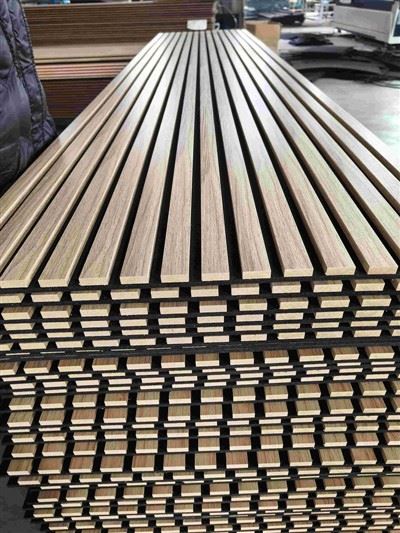
First, let’s start with the basics: what even is a PS wall panel, anyway? PS stands for polystyrene, right? Not the styrofoam you used for school projects back in the day, wait—okay, it is similar material, but it’s high-density polystyrene (HDPS) made into rigid panels, usually with a smooth outer layer and an insulation core. Wait, no—wait, most commercial wall-mounted PS panels have that closed-cell polystyrene core, which is the stuff that traps air pockets. That’s key for insulation, not just the plastic itself.
Now, the big number people care about: R-value. R-value is basically how well a material resists heat flow—higher R = better insulation. Let’s get specific here: standard PS wall panels (the ones we supply) have an R-value of roughly 4 per inch of thickness. Compare that to, say, fiberglass batt insulation, which is around 3.7 per inch, or drywall (your basic wall board) which is only like 0.9 per inch. Oh, so right off the bat, PS panels outperform regular drywall by a mile, and even edge out standard fiberglass. That’s not me just saying that— that’s data from the ASTM, the main group that tests building materials.
Wait, but let’s not stop at R-value. What about real-world use? I’ve had customers in cold climates (Minnesota, Canada, even upstate NY) tell me they cut their winter heating bills by 15-25% after installing PS panels. And folks in hotter places (Texas, Florida) say their AC bills went down too—because they trap cool air inside, same as they trap warm air in. Why is that? Because that closed-cell polystyrene core has tiny, sealed air bubbles. Air is a terrible conductor of heat, right? So those bubbles don’t let heat move through easily. Unlike open-cell insulation, which lets air pass through and can lose efficiency if it gets damp, closed-cell PS panels don’t absorb water. That’s a huge win for bathrooms, basements, or any place where moisture might be an issue—no mold, no sagging insulation, so insulation performance stays consistent over time.
Wait, but hold on—there’s a catch here. Not all PS panels are the same. Some cheap knockoff panels you see online? They’re made with low-density polystyrene, no proper closed-cell structure. Those have an R-value more like 2.5 per inch, way lower. That’s why it’s super important to buy from a trusted supplier, not some random marketplace listing. We test every batch of our panels for density and cell structure to make sure they hit that 4 per inch mark. I’ve heard horror stories from a contractor friend who bought cheap PS panels for a job—they had to rip them out a year later because the insulation was so bad, energy bills barely dropped. Don’t cut corners here.
Another point: how they work with your existing walls. A lot of people install PS panels as an overlay, right? You don’t have to rip out your old drywall or studs. That means you’re adding a continuous insulation layer, no gaps. Gaps are the enemy of insulation—even a tiny gap between your panel and the wall can let heat leak through, like a tiny hole in a balloon. Our panels are designed with interlocking edges, so when you fit them together, they’re airtight. That’s way better than adding insulation between studs, where there’s often gaps around the edges of batts. I had a customer in an old 1950s house with thin walls—before, their heat would just seep through the walls like a sieve. After installing our PS panels, the house felt 10 degrees warmer indoors, and their heating bill dropped $80 a month. No joke, that’s what they told me.
What about temperature extremes? I get asked all the time if PS panels hold up in really hot or really cold weather. Turns out, polystyrene has a pretty wide temperature range—stays stable from like -40°F to 160°F, which is way more than any wall will ever see in a home. Even in Phoenix, where summer temperatures hit 115°F, our panels don’t warp or lose their insulation structure. In Alaska, where winter lows go way below zero, they still work the same. The key is that closed-cell core doesn’t shrink or expand much with temperature changes, so the air bubbles stay sealed. That means insulation performance doesn’t degrade over years of use. I’ve had panels installed in 2012 that still test at the same R-value now as when they went up.
Wait, let’s compare to other common insulation wall options, just so you have context. If you’re thinking of spray foam? Open-cell spray foam is around 3.5 per inch, close is like 6, but it’s way more expensive. Fiberglass batts we mentioned are 3.7 per inch, but they need a vapor barrier, can get moldy if damp, and the gaps around studs kill performance. Mineral wool? That’s around 4 per inch too, but it’s heavier, more expensive, and harder to install than PS panels, which are light and easy to cut with a saw. PS panels are also cheaper than both spray foam and mineral wool, while matching or beating their insulation performance. That’s a big plus for contractors and homeowners on a budget.
But here’s something I wish more people knew: insulation isn’t just about R-value. It’s about air sealing and moisture resistance too, which PS panels nail. If your wall insulation is leaky, it doesn’t matter how high the R-value is—warm or cool air is just escaping through gaps. PS panels’ interlocking edges and closed core mean they seal the wall almost completely, so less air leakage. And because they don’t absorb water, if there’s a small leak in a pipe or a damp spot in a basement, the panel won’t hold onto moisture like fiberglass or even wood paneling. That prevents mold, which not only ruins the wall but can also make insulation less effective. I’ve seen a job where fiberglass insulation got moldy in a basement, and the R-value dropped by almost half within a year. Our panels? No mold growth, insulation stayed the same.
Now, let’s talk about common myths. Some people say PS panels are just “plastic” so they can’t insulate. Wait, no—polystyrene is a great insulator because of that trapped air. Plastic itself is a conductor, but the tiny sealed air bubbles inside the panel are what block heat flow. Think of a winter jacket—jacket material is fabric, but the trapped air between the fabric and your body keeps you warm. Same idea here. Another myth: PS panels off-gas toxic fumes. Modern PS panels (the ones we supply) are made with non-toxic, low-VOC materials, so they’re safe for indoor use. We test them for VOC emissions every year, and they meet all EPA standards. No weird chemical smells, no health risks. That’s a big one for families with kids or pets.
So, putting it all together: the heat-insulation performance of high-quality PS wall panels is really solid—better than standard drywall, comparable to top fiberglass, cheaper than most other rigid wall insulation options. They work in cold, hot, humid, dry climates, last for decades, and add the bonus of being easy to install, moisture-resistant, and low-VOC. But the keyword here is high-quality. Avoid cheap, no-name panels from random sellers—they’ll have lower R-value, might not seal well, and could even be lower quality materials.
If you’re thinking about upgrading your home’s insulation, or working on a construction project, PS wall panels are a great pick. I’ve been supplying these for years, and I can tell you from customer feedback that the insulation results are consistent—no overpromising, just real savings on energy bills. If you want to learn more about how our panels would work for your space, or get a quote, hit me up. I’d be happy to walk you through thickness options, installation tips, and answer any other questions you have about performance. Don’t waste money on insulation that doesn’t deliver—go with panels that actually do what they say.
References
PVC Foam Board ASTM International. (2020). Standard Test Method for Steady-State Thermal Performance of Building Assemblies by Means of a Guarded Hot Box. ASTM C177.
U.S. Department of Energy. (2022). Energy Efficiency and Renewable Energy: Insulation 101. DOE/EE-2156.
National Association of Home Builders. (2021). Wall Insulation Performance: Comparing Rigid Foam Options. NAHB Research Center Report.
Shandong Fanjie International Trade Co., Ltd.
As one of the most professional ps wall panel manufacturers in China, we have world-leading production equipment and strong manufacturing capabilities. Please feel free to buy bulk high quality ps wall panel from our factory. We also accept customized orders.
Address: L4-015 Cross border E-commerce Entrepreneurship Park, Lanshan District, Linyi City, Shandong Province
E-mail: info@lsdec.com
WebSite: https://www.fanzeradecor.com/
