Hey there! I’m a supplier of injection molding auxiliary equipment, and today I wanna chat about how to operate this kind of equipment safely. It’s super important because not only does it keep you out of harm’s way, but it also makes sure your production runs smoothly. Injection Molding Auxiliary Equipment

First off, let’s talk about the basics of safety. Before you even start up the injection molding auxiliary equipment, you gotta do a thorough check. Look at the power cords, make sure they’re not frayed or damaged. A damaged cord can lead to electrical hazards, and trust me, you don’t want that. Also, check the hoses and pipes for any leaks. Leaks can cause all sorts of problems, like a drop in pressure or even chemical spills if you’re dealing with certain fluids.
Another thing is to wear the right safety gear. This includes safety glasses to protect your eyes from any flying debris. If you’re working with hot materials, heat – resistant gloves are a must. And don’t forget about ear protection if the equipment is noisy. You don’t want to damage your hearing over time.
Now, let’s get into the operation part. When you’re starting up the equipment, follow the manufacturer’s instructions to a tee. Every piece of injection molding auxiliary equipment is different, so make sure you know exactly how to turn it on, set the parameters, and shut it down properly. For example, some machines need to be pre – heated to a certain temperature before you can start the molding process. If you skip this step, you might end up with poor – quality products or even damage the machine.
During the operation, keep a close eye on the equipment. Watch for any unusual noises, vibrations, or changes in temperature. These could be signs that something is wrong. If you notice anything off, stop the machine right away and investigate. Don’t try to keep running it in the hope that the problem will go away. That’s a recipe for disaster.
When it comes to maintenance, it’s crucial. Regular maintenance can prevent a lot of safety issues. Clean the equipment regularly to remove any dust, debris, or residue. Lubricate the moving parts as recommended by the manufacturer. This helps to keep the equipment running smoothly and reduces the risk of breakdowns.
Let’s talk about specific types of injection molding auxiliary equipment. Take the material handling equipment, for example. This includes hoppers, dryers, and conveyors. When using a hopper, make sure it’s properly loaded. Overloading can cause jams and other problems. Also, check the feeder mechanism to ensure it’s working correctly. If it’s not, it might not feed the material evenly, which can affect the quality of the molded products.
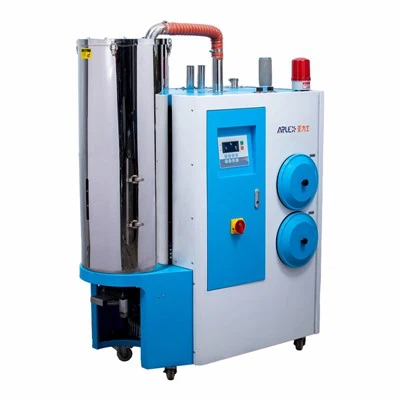
Dryers are another important part. They’re used to remove moisture from the plastic materials. Make sure the dryer is set to the right temperature and time. If it’s too hot or runs for too long, it can degrade the plastic. And if it’s not hot enough or doesn’t run long enough, the moisture won’t be removed properly, leading to defects in the final products.
Conveyors are used to move the materials around. Check the belts for any signs of wear and tear. A worn – out belt can slip or break, which can cause the materials to spill or the conveyor to stop working.
Now, let’s talk about the safety of the operators. Training is key. All operators should be properly trained on how to use the injection molding auxiliary equipment. This training should cover everything from basic operation to emergency procedures. Make sure the operators know what to do in case of a fire, an electrical problem, or a mechanical failure.
Also, have a clear set of safety rules in place. These rules should be posted in a visible location near the equipment. Everyone should be aware of these rules and follow them strictly. For example, no one should be allowed to operate the equipment without proper training. And if there are any safety guards on the equipment, they should never be removed while the machine is running.
In addition to all this, it’s a good idea to have a safety inspection team. This team can regularly check the equipment to make sure it meets all the safety standards. They can also identify any potential safety hazards and take steps to fix them before they become a problem.
Now, if you’re in the market for injection molding auxiliary equipment, I’m here to help. I’ve been in this business for a while, and I know what it takes to provide high – quality, safe equipment. Whether you need a new hopper, a dryer, or a conveyor, I can offer you the best solutions.
If you’re interested in learning more about our products or want to discuss your specific needs, don’t hesitate to reach out. I’m always happy to have a chat and see how I can assist you in your injection molding operations. We can talk about the features of our equipment, the pricing, and how it can fit into your production process.
Remember, safety is not just a buzzword. It’s a crucial part of operating injection molding auxiliary equipment. By following these tips and using high – quality equipment, you can ensure a safe and efficient production environment.
So, if you’re ready to take your injection molding operations to the next level with safe and reliable equipment, let’s have a conversation. I’m looking forward to hearing from you!
Auto Loader References:
- Industry – standard safety guidelines for injection molding equipment.
- Manufacturer’s manuals for injection molding auxiliary equipment.
Ningbo Yalishi (Arlex) Plastic Machinery Co., Ltd.
Ningbo Yalishi(Arlex) Plastic Machinery Co., Ltd. is one of the most reliable injection molding auxiliary equipment manufacturers and suppliers in China, featured by quality products and low price. Please rest assured to wholesale cheap injection molding auxiliary equipment made in China here from our factory. Customized orders are welcome.
Address: No.63, Huangsu East Road, Industrial Zone, Dongqian Lake Tourist Resort, Ningbo, Zhejiang Province
E-mail: leo@arlex.cn
WebSite: https://www.arleximm.com/
