Outdoor living spaces have become an extension of our homes, offering a place to relax, entertain, and connect with nature. As an outdoor WPC (Wood-Plastic Composite) flooring supplier, I often get asked a crucial question by potential customers: "Does outdoor WPC flooring attract insects?" This question is valid, as no one wants to deal with a bug-infested patio or deck. In this blog post, I’ll delve into the science behind WPC flooring and its relationship with insects, providing you with the information you need to make an informed decision for your outdoor space. Outdoor WPC Flooring

Understanding WPC Flooring
WPC flooring is a popular choice for outdoor applications due to its durability, low maintenance, and aesthetic appeal. It is made by combining wood fibers or flour with thermoplastics, along with additives and pigments. The resulting composite material offers the look and feel of natural wood, but with enhanced performance characteristics.
One of the key benefits of WPC flooring is its resistance to rot, decay, and moisture. Unlike natural wood, which can absorb water and provide a breeding ground for fungi and insects, WPC flooring is designed to be water-resistant and less prone to damage. This is achieved through the use of thermoplastics, which act as a waterproof barrier and protect the wood fibers from moisture infiltration.
The Science of Insect Attraction
Insects are attracted to certain environmental cues, such as food, water, shelter, and warmth. When it comes to outdoor flooring, the main factors that can attract insects are the presence of organic matter, moisture, and cracks or crevices where they can hide.
Natural wood flooring is particularly susceptible to insect infestations because it is made primarily of organic material. Wood contains cellulose, which is a food source for many insects, including termites, carpenter ants, and powderpost beetles. In addition, natural wood can absorb moisture from the environment, creating a damp and hospitable environment for insects to thrive.
WPC flooring, on the other hand, is less attractive to insects because it contains a lower percentage of organic material. The thermoplastic component of WPC flooring acts as a deterrent to insects, as it is not a natural food source for them. In addition, the smooth surface of WPC flooring makes it more difficult for insects to burrow and nest, reducing the risk of infestation.
Factors That Can Affect Insect Attraction
While WPC flooring is generally less attractive to insects than natural wood, there are several factors that can increase the risk of insect infestation. These factors include:
- Moisture: While WPC flooring is water-resistant, it is not completely waterproof. If the flooring is installed in an area that is prone to flooding or excessive moisture, it can absorb water and become a breeding ground for insects. To prevent this, it is important to install WPC flooring on a properly graded and drained surface, and to ensure that it is sealed and maintained regularly.
- Debris and Organic Matter: Insects are attracted to debris and organic matter, such as leaves, dirt, and wood chips. If these materials are left on the surface of the WPC flooring, they can provide a food source and shelter for insects. To prevent this, it is important to keep the flooring clean and free of debris, and to remove any fallen leaves or other organic matter regularly.
- Cracks and Crevices: Insects can enter small cracks and crevices in the flooring, where they can nest and breed. To prevent this, it is important to inspect the flooring regularly for any signs of damage or wear, and to repair any cracks or crevices as soon as possible.
- Surrounding Environment: The surrounding environment can also affect the risk of insect infestation. If the outdoor space is located near a wooded area or other source of insects, there is a higher risk of infestation. To reduce this risk, it is important to take steps to control the insect population in the surrounding area, such as using insecticides or installing insect screens.
Tips for Preventing Insect Infestations
To minimize the risk of insect infestations in your outdoor WPC flooring, here are some tips to keep in mind:
- Choose High-Quality WPC Flooring: Not all WPC flooring is created equal. When choosing WPC flooring for your outdoor space, it is important to choose a high-quality product that is made from durable materials and has a low percentage of organic matter. Look for flooring that is certified by a reputable organization, such as the Forest Stewardship Council (FSC) or the Sustainable Forestry Initiative (SFI).
- Install the Flooring Properly: Proper installation is essential for the performance and longevity of your WPC flooring. Make sure that the flooring is installed on a properly graded and drained surface, and that it is spaced correctly to allow for expansion and contraction. Follow the manufacturer’s installation instructions carefully, and use the recommended fasteners and adhesives.
- Keep the Flooring Clean: Regular cleaning is essential for preventing insect infestations in your WPC flooring. Use a broom or a leaf blower to remove any debris or organic matter from the surface of the flooring, and then wash it with a mild detergent and water. Avoid using abrasive cleaners or power washers, as these can damage the surface of the flooring.
- Seal and Maintain the Flooring: Sealing and maintaining your WPC flooring regularly can help to protect it from moisture, UV rays, and other environmental factors. Apply a high-quality sealant to the surface of the flooring every 1-2 years, and follow the manufacturer’s instructions for maintenance and care.
- Control the Insect Population in the Surrounding Area: To reduce the risk of insect infestations in your outdoor space, it is important to take steps to control the insect population in the surrounding area. This can include using insecticides, installing insect screens, and removing any standing water or other sources of moisture.
Conclusion
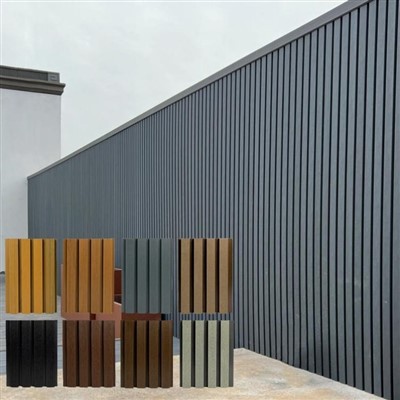
In conclusion, outdoor WPC flooring is generally less attractive to insects than natural wood flooring due to its lower percentage of organic material and its water-resistant properties. However, there are several factors that can increase the risk of insect infestation, such as moisture, debris, cracks, and the surrounding environment. By choosing high-quality WPC flooring, installing it properly, keeping it clean, sealing and maintaining it regularly, and controlling the insect population in the surrounding area, you can minimize the risk of insect infestations and enjoy a beautiful and bug-free outdoor space for years to come.
PVC UV Marble Sheet If you’re considering outdoor WPC flooring for your next project, I encourage you to contact me to learn more about our products and services. As an experienced outdoor WPC flooring supplier, I can help you choose the right flooring for your needs, provide installation guidance, and offer ongoing support and maintenance. Don’t let insects ruin your outdoor living experience – contact me today to start planning your dream outdoor space!
References
- ASTM International. (n.d.). Standard Test Method for Determining the Resistance of Wood-Plastic Composites to Subterranean Termites. Retrieved from [Insert relevant ASTM standard number and information]
- Forest Products Laboratory. (1999). Wood Handbook: Wood as an Engineering Material. Madison, WI: U.S. Department of Agriculture, Forest Service.
- International Building Code. (2018). Chapter 23: Wood Construction. Washington, DC: International Code Council.
Linyi Dongyuan International Trade Co., Ltd.
We’re well-known as one of the leading outdoor wpc flooring manufacturers and suppliers in China, also support customized service. With abundant experience, we warmly welcome you to buy high quality outdoor wpc flooring made in China here from our factory. Contact us for more details.
Address: No.A3-102, Mingzhu North Street, Xicheng, Lanshan District, Linyi City, Shandong Province, China
E-mail: Lydongyuan2024@163.com
WebSite: https://www.dy-wpcwood.com/
