What is the temperature control range in a grain drying tower? Well, that’s a question I get a lot as a supplier of grain drying towers. Let me break it down for you in a way that’s easy to understand. Grain Drying Tower
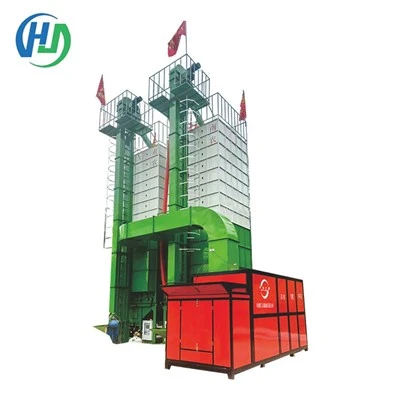
First off, the temperature control range in a grain drying tower is super important. It’s not just about drying the grain; it’s about doing it right so that the quality of the grain isn’t damaged. Different types of grains have different ideal temperature ranges for drying.
For corn, which is one of the most commonly dried grains, the typical temperature control range in a grain drying tower is between 120°F and 180°F (49°C – 82°C). When the temperature is too low, say below 120°F, the drying process takes forever. It’s like trying to dry your clothes on a cloudy day with a weak fan. The moisture just doesn’t evaporate quickly enough. And if you’re in a hurry to get the grain dried and stored, a low – temperature drying process can be a real pain.
On the other hand, if the temperature goes above 180°F, you risk damaging the corn kernels. The high heat can cause the kernels to crack or lose their germination ability if you’re planning to use the corn as seed. It can also affect the nutritional value of the corn, which is a big deal if it’s going to be used for animal feed or human consumption.
Wheat is another major grain. The temperature control range for wheat in a drying tower is a bit different. It usually falls in the range of 100°F to 140°F (38°C – 60°C). Wheat is more sensitive to high temperatures compared to corn. If you crank up the heat too high, the wheat can lose its milling quality. That means when you try to turn it into flour later on, you’re not going to get the best – quality product.
Oats are also commonly dried in these towers. The ideal temperature range for oats is generally between 90°F and 120°F (32°C – 49°C). Oats are even more delicate than wheat, and high temperatures can really mess up their texture and flavor. A temperature that’s too high can make the oats go mushy or develop an off – flavor, which is definitely not what you want if you’re selling them for breakfast oatmeal.
Now, how do we actually control these temperatures in a grain drying tower? Well, modern grain drying towers are equipped with all sorts of fancy technology. There are temperature sensors placed at different levels inside the tower. These sensors constantly monitor the temperature of the grain as it moves through the drying process.
The control system in the tower can adjust the flow of hot air based on the readings from these sensors. If the temperature is getting too high, it can reduce the amount of hot air being blown into the tower. And if it’s too low, it can increase the heat output to get things back into the right range.
But it’s not just about the temperature sensors and control systems. The way the grain is loaded into the tower and how it moves through also plays a role. You want to make sure the grain is evenly distributed in the tower. If it’s all clumped up in one area, the drying process won’t be uniform, and some of the grain might get over – dried while other parts stay too moist.
Also, the humidity of the incoming air matters a lot. On a humid day, you might need to run the drying tower at a slightly higher temperature to compensate for the extra moisture in the air. And on a dry day, you can probably get away with a lower temperature.
As a supplier of grain drying towers, I’ve seen firsthand how important it is to get the temperature control range right. I’ve worked with farmers who’ve had problems in the past because their drying towers weren’t properly calibrated. They ended up with damaged grain, which meant less money in their pockets.
That’s why we offer comprehensive training to our customers. When they buy a grain drying tower from us, we don’t just hand them the keys and say "good luck." We have a team of experts who come out and show them how to operate the tower correctly. We teach them how to set the right temperature ranges for different types of grains, how to read the sensor data, and how to make adjustments as needed.
We also offer after – sales support. If a customer has any questions or runs into problems down the line, they can give us a call, and we’ll do our best to help them out. We know that a well – functioning grain drying tower is crucial for their business, and we want to make sure they’re getting the most out of our product.
So, if you’re in the market for a grain drying tower, or if you’re currently having issues with your existing one, don’t hesitate to reach out. We’ve got the experience and the know – how to help you find the perfect solution for your grain – drying needs. Whether you’re a small – scale farmer with a few acres of corn or a large – scale operation dealing with tons of wheat every year, we’ve got a drying tower that will fit your requirements.
Let’s talk about your specific situation and see how we can work together to get your grain dried efficiently and effectively. You can contact us to start the conversation about purchasing the right grain drying tower for you.
Drying Machinery References
- "Grain Drying and Storage Handbook" by the American Society of Agricultural and Biological Engineers
- Various research papers on grain drying technology from agricultural universities
Henan Huinong Machinery Co., Ltd.
Henan Huinong Machinery Co., Ltd. is one of the most professional grain drying tower manufacturers and suppliers in China, featured by quality products and low price. Please rest assured to buy discount grain drying tower from our factory. We also accept customized orders.
Address: No. 6, Northeast Corner of the Intersection of Renmin Road and Zhujiang Road, New District, Huaxian County, Henan Province
E-mail: frank.tang@huinongmachinery.com
WebSite: https://www.huinongmachinery.com/
