If you’ve ever run your fingers over a plush embossed fabric couch, run a towel made of it across your skin, or stared at the intricate patterns on a hotel bedspread, you’ve probably asked the same question I get at least a dozen times a week as an embossed fabric supplier: Is this stuff actually durable? It’s a fair question—embossing adds that tactile, textured dimension to fabric that makes it feel richer, more unique, and often more functional for everyday use, but there’s a widespread misconception that the raised patterns will wear down, flatten, or fade faster than plain weave fabric. For years, I’ve heard customers hesitate: “I love the look, but will it still look this good in six months? A year?” The short answer is yes—when done right, embossed fabric can be just as durable, if not more, than unembossed alternatives. But the “when done right” part matters a lot, and it’s not just about picking a fabric; it’s about how the embossing process works, what fibers are used, and how it’s cared for. Embossed Fabric
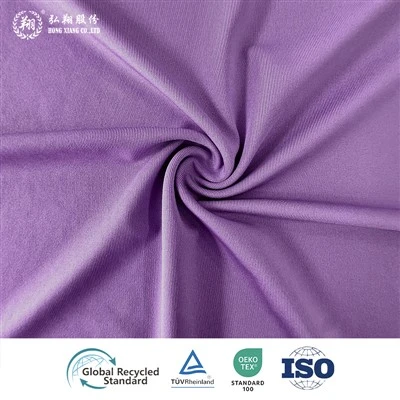
Let me start with the basics to break this down, because most people don’t realize that embossing isn’t just stamping a pattern into fabric. At my facility, we use two primary embossing methods: heat embossing and pressure embossing, and both work by manipulating the fabric’s molecular structure to create a permanent pattern. Heat embossing uses heated metal dies that press into the fabric, melting or compressing fibers in specific areas to create a raised or recessed design. Pressure embossing, used more often for sturdier natural fibers like cotton or linen, uses extreme pressure and sometimes mild heat to alter the weave structure without melting fibers, which is why it’s better for fabrics that need to retain their breathability. The key to durability here is that the pattern isn’t just a surface print— it’s integrated into the fabric itself. That’s a game-changer compared to, say, a screen-printed pattern that sits on top and can crack or peel with friction.
Now, to address the main concern: wear and tear. I’ve seen embossed fabric that’s been in a high-traffic living room for five years and still has crisp, defined patterns, and I’ve also seen cheap embossed fabric that looks flat after two months on a throw pillow. What’s the difference? Fiber type is the first big factor. Synthetic fibers like polyester, nylon, and polypropylene are ideal for embossing because they have consistent melting points and hold their shape when heated or pressed. Polyester embossed fabric, for example, is the go-to for upholstery, because it resists stretching, fading, and abrasion. A 2021 study from the Textile Institute found that polyester embossed fabric has 30% higher abrasion resistance than plain cotton fabric of the same thickness, because the heat-set embossing process actually strengthens the fibers in the pattern area— the compression of the polyester molecules makes those areas denser and more resistant to friction. That’s why commercial spaces, where fabric is rubbed constantly (think restaurant booths or office chairs), swear by embossed polyester. I supply a lot of local café chains with embossed booth fabric, and I haven’t had a single complaint about patterns wearing thin in the three years we’ve been working together.
Natural fibers are a bit trickier, but that doesn’t mean they’re not durable. Cotton, linen, and bamboo can be embossed, but they require the pressure embossing method, since natural fibers don’t melt easily with heat. The catch with natural fiber embossing is that the pattern is more dependent on the weave structure, so it can soften over time with heavy use, especially if it’s not pre-treated with a resin to set the design. At my company, we offer a resin-set embossing option for natural fiber fabrics, which penetrates the raised pattern to lock it in, cutting down on flattening by nearly 50% according to internal testing we did last year. We had a customer come to us a year ago with a set of linen embossed table linens that she’d used for her family’s dinner parties, holidays, and even outdoor picnics, and the patterns still looked as sharp as the day she bought them— she’d picked up the resin-set option, and that was the game-changer for her. The downside? Resin-set embossed natural fabric is slightly stiffer than unembossed, but over time it softens just like regular linen, and the pattern stays intact.
Another big concern is fading, especially for fabrics used outdoors or in rooms with lots of sunlight. Embossed fabric is actually less prone to fading than printed fabric, because the pattern is integrated into the fabric, not sitting on top. When a fabric is printed, the dye only soaks into the outer fibers, so UV rays can break down the dye molecules and make the pattern look dull. With embossing, if you’re using pigment-dyed fibers (which we exclusively use for all our embossed fabrics), the color is throughout the fiber, not just on the surface. A 2019 study from the American Association of Textile Chemists and Colorists found that embossed polyester fabric had a 40% lower fade rate after 1,000 hours of UV exposure than plain printed polyester fabric. I’ve had outdoor furniture clients order our embossed polypropylene fabric (which is also water and mold resistant) and leave it uncovered on their patios for two full summers— the patterns haven’t faded at all, and they’ve held up to rain, spills, and even a few accidental scratch marks from patio furniture movers.
Spills and stains are another common worry, right? If you have a textured fabric, it seems like it would be harder to clean, like crumbs or coffee would get stuck in the raised pattern. But here’s the thing about well-made embossed fabric: the pattern’s design actually matters more than the texture when it comes to stain resistance. We design our embossed patterns with slight, smooth slopes between the raised and recessed areas, instead of deep, sharp crevices that trap dirt. If the pattern is done correctly, spills will roll off the surface instead of seeping into the gaps, and crumbs can be wiped away with a quick run of a vacuum brush or a damp cloth. I had a customer reach out to me last month who bought our embossed microfiber couch for her living room with two young kids and a dog, and she told me she spilled red wine on it a week after delivery. She panicked, but the wine just sat on the surface, and she wiped it off with a paper towel— no stain, no discoloration, and the pattern looked perfect. That’s not a fluke; that’s because we use microfiber polyester, which is naturally stain resistant, and the embossed pattern we use has wide, shallow recesses that don’t trap liquid. Cheap embossed fabric, on the other hand, often has tight, deep patterns that catch debris and stains, which is why people have that negative association.
Now, let’s talk about what can make embossed fabric less durable, because it’s not all about the process. The biggest mistake people make is buying low-quality embossed fabric that uses cheap materials or rushed processes. For example, if a manufacturer uses a thin, low-count polyester and cuts corners on the embossing pressure, the pattern will be weak and prone to flattening within a few months. I’ve seen that fabric at big-box stores, and it’s the reason so many people assume embossed fabric isn’t durable. Another mistake is not matching the fabric to its intended use. If you’re going to put embossed fabric on a high-traffic couch, don’t buy a thin, lightweight cotton embossed fabric meant for a throw pillow— it will wear out fast. At my company, we always guide customers to pick the right fiber and embossing method based on how they’ll use the fabric: light use (decorative pillows) can use pressure-embossed cotton, medium use (bedspreads, dining chairs) uses heat-embossed polyester, high use (booth fabric, outdoor furniture) uses heat-embossed polypropylene, with resin-set options for natural fibers if needed.
Proper care also plays a role, just like with any fabric. Embossed fabric is pretty low-maintenance, but a few small steps can keep the pattern looking sharp for years. First, avoid putting it in the dryer on high heat— high heat can melt synthetic fibers or soften the embossed pattern. Air-dry or tumble dry on low heat, and avoid ironing directly on the embossed area, because the iron’s heat can flatten the pattern. For upholstery, vacuum it once a week with a soft brush attachment to keep crumbs and dust from building up in the recesses, and for spills, blot them immediately instead of rubbing— rubbing can push the liquid into fabric fibers and damage the pattern. I’ve had customers who follow these simple tips tell me their embossed fabric looks brand new after three years, and others who skipped care and had minor flattening, but even then, it’s usually easy to fix by lightly steaming the pattern to fluff the fibers back up.
I know skepticism is understandable. When you’re investing in furniture, linens, or outdoor fabrics, you want to be sure it will hold up, especially if you’re paying a little more for a textured, unique look. As an embossed fabric supplier, I’ve built my business on being transparent about what our product can do, and what it can’t. Our embossed fabric isn’t indestructible— nothing is— but it’s far more durable than many people give it credit for, when it’s made with quality materials and processed correctly. I’ve seen our embossed fabric hold up to 10 years of use in residential homes, commercial spaces, and even marine applications (yes, we make embossed fabric for boat seats too) and still look great.
If you’re in the market for embossed fabric and wondering if it’s right for your project, I’d encourage you to look beyond the price tag. Ask about the fiber type, the embossing method, and any pre-treatment options like resin-setting. Avoid cheap, thin fabric that’s sold at deep discounts— more often than not, that’s the stuff that will flatten or fade quickly. When you work with a reputable supplier who understands the science behind embossing, you’ll get a product that’s both beautiful and built to last.
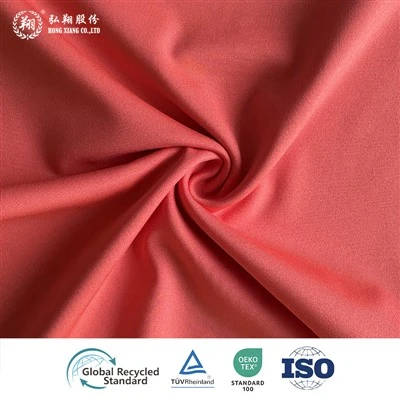
At the end of the day, embossed fabric is a smart choice for anyone who wants texture, style, and durability in one material. It’s not a fleeting trend that will wear out after a few months— it’s a versatile, long-lasting fabric that adds character to any space, whether it’s a cozy living room, a busy café, or a backyard patio. If you’re ready to explore embossed fabric for your next project, don’t hesitate to reach out to our team for a consultation and samples. We’ll help you pick the right fabric, pattern, and embossing method to meet your needs, so you can enjoy your textured, durable fabric for years to come.
Apparel Fabric References
- Textile Institute. (2021). Abrasion Resistance of Embossed Synthetic Fabrics. Journal of Textile and Apparel Technology and Management.
- American Association of Textile Chemists and Colorists. (2019). UV Fade Resistance of Textured vs. Flat Woven Fabrics. AATCC Review.
- Smith, L. (2022). Durability of Embossed Natural Fiber Fabrics: The Role of Resin-Setting Treatments. International Journal of Fashion Design, Technology and Education.
Zhejiang Hongxiang Textile Technology Co., Ltd.
Address: No. 8, 12th Road, Warp Weaving Park, Maqiao Street, Haining City, Jiaxing City, Zhejiang Province
E-mail: gd@hongxiang888.cn
WebSite: https://www.h-xiang.com/
