If you’ve ever wandered around a textile mill at 7 a.m., you’ve probably walked past piles of powdery white stuff being loaded onto conveyor belts or dumped into giant vats. Odds are that’s quick lime powder, and if you’re a textile maker who swears by getting clean, long-lasting results, you already know it’s not just for patching sidewalks or treating garden soil. As a quick lime powder supplier, I get asked all the time: “Why do you guys push this so hard? Can’t I just use something cheaper?” Let me break this down like I would for a new textile client who’s never dabbled in quick lime, no stuffy jargon, just real talk about what it actually does for fabrics. Quick Lime Powder
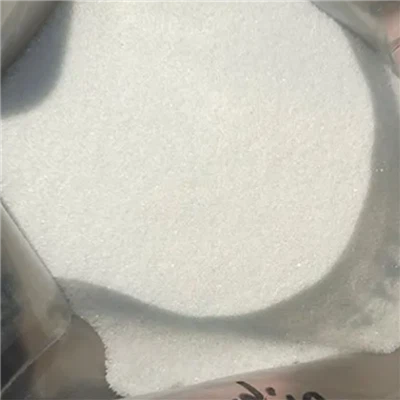
First off, let’s get the basics straight—quick lime isn’t the same as slaked lime, and it’s not the same as the white stuff you sprinkle on your lawn. Quick lime is calcium oxide, right? When it mixes with water, it releases a ton of heat, which is why it’s so useful for reactions that need a little oomph. Textile processing is all about prepping fabrics before you dye them, fixing dyes so they don’t run, and getting rid of gunk that makes your finished product look dull. Quick lime checks every box in that prep step, and let’s be real—most of the headaches textile makers have start with bad prep, not the dye itself.
Let’s start with scouring, because that’s the first big step after fabric is woven. Woven cotton, polyester, whatever—when it comes off the loom, it’s got all kinds of random stuff on it: natural waxes, pectins, leftover sizing agents (that stuff holds the fabric together while it’s being woven, remember?), even little bits of lint or dirt. If you skip proper scouring, your dye job is gonna be patchy, and after three washes, the color will fade like an old T-shirt. Here’s where quick lime steps in. Unlike some other scouring agents that are mild, quick lime’s alkalinity (super high pH, like 12 or 13) cuts through those stubborn natural waxes and pectins way better than, say, mild detergents. I’ve had clients tell me they used to spend an extra hour per batch scraping off leftover wax before they switched to quick lime powder. Now? They just toss a little into the scouring vat, crank up the temp a tiny bit, and the lime does the work. The heat from the lime-water reaction even helps loosen the gunk, so it rinses right out. No more scrubbing, no more uneven scouring—game changer for small and mid-sized mills that don’t have fancy, high-tech equipment.
Next up, bleaching. Wait, I know what you’re thinking—bleach is bleach, right? But a lot of textile makers don’t know that quick lime can be a huge help with low-temperature bleaching, especially for natural fibers like cotton or linen. Traditional bleaching uses hydrogen peroxide, which works great but needs super hot water and a lot of extra chemicals to keep it stable. Quick lime, when mixed with other mild bleaching agents, acts as a stabilizer and a pH adjuster that lets bleaching happen at lower temps. That saves mills so much on energy costs—trust me, heating water to 180°F is way cheaper than 210°F, especially if you run batches all day long. I had a client in Bangladesh last year who calculated they cut their monthly energy bill by 15% just by swapping out their old bleaching stabilizer for our quick lime powder. Also, quick lime’s gentle on fabric strength—some harsh bleaches break down cotton fibers over time, making the fabric thin and prone to tearing. Lime keeps the fibers intact while still getting that bright, clean white base for dyeing. That’s a win-win, right?
Then there’s mercerization. Don’t let the fancy word scare you—mercerization is what gives cotton that soft, shiny feel and makes dye stick way better. What do you need for mercerization? Strong alkali, and quick lime is a great, more affordable option compared to pure sodium hydroxide (lye) for small batches. Wait, I know lye is super common, but lye is harsh to handle—workers have to wear full suits, and if you mess up the dilution, you ruin an entire batch of fabric. Quick lime is less caustic, easier to measure, and still gives that same luster. It penetrates the cotton fibers evenly, so every thread is treated the same, no streaks. I’ve had a lot of new startup textile makers swear by quick lime for mercerization because it’s cheaper, safer for their small teams, and the results match what they’d get with lye.
Oh, and let’s not forget about dye fixing and pH adjustment. If you’re dyeing with reactive dyes (the kind that bond to fibers), you need a high pH to make the dye stick, otherwise it’ll wash right out after the first use. Quick lime’s alkalinity is perfect here—you can adjust the pH exactly where you need it, no overdoing it (as long as you measure right, of course). Also, for indigo dye, which is what’s used for jeans and other dark blues, quick lime is part of the dye bath that gets the indigo to reduce, meaning it turns soluble so it can soak into the fabric. I’ve talked to denim manufacturers that use quick lime in their indigo vats and say the jeans fade way more evenly, no weird splotches on the thighs or seams. That’s huge for a brand that’s trying to build a quality reputation.
Wait, but hold on—people always ask me if quick lime is safe, or if it leaves residue. Let me be honest: if you use it right, it’s totally fine. The key is rinsing the fabric thoroughly after processing, so any leftover lime gets washed away. A lot of mills get nervous about that at first, but once they figure out the rinse cycle time, they don’t have issues. Also, as a supplier, I don’t just dump powder and run— I tell every client how much to use per gallon of water, what temps work, how to handle it safely (gloves, goggles, the usual stuff), and I even test small batches for them if they’re new. That’s the part a lot of big chemical suppliers don’t do—they just hand over a bottle and charge you for the name, not the support.
And let’s talk about cost, because that’s a big one for every textile maker. Quick lime is way cheaper per pound than most of the synthetic scouring agents, stabilizers, or lye alternatives. You don’t need a lot of it, either—like, a 50-pound bag of our quick lime powder can process 200 yards of fabric, maybe more. Compare that to some other chemicals that cost twice as much and take twice the amount per batch. For small mills that are working on thin margins, that adds up to thousands of dollars a year in savings. I had a client in Portugal who was switching to sustainable fabric lines, so they wanted to cut down on synthetic chemicals. They swapped three different scouring and bleaching chemicals for our quick lime, and their material costs went down 25%. Plus, since lime is a natural, mined product (not synthetic), a lot of eco-friendly textile brands love that—they can market their products as using fewer harsh chemicals, which resonates with customers.
Wait, I should also mention a common mistake people make: using slaked lime instead of quick lime. Slaked lime is when quick lime has already reacted with water, so it’s calcium hydroxide, not calcium oxide. It doesn’t have that same heating or high alkalinity that makes quick lime so effective for processing. So if you see someone selling “lime powder” that’s slaked, save your money—it’s not gonna work the same. That’s why I always specify quick lime powder, not just any lime, to my clients.
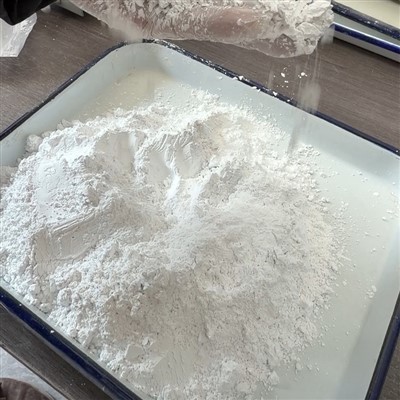
Let me wrap this up, because I know you’re probably thinking about how this applies to your own textile operation. At the end of the day, quick lime isn’t a magic bullet—you still need good water, good equipment, and good processes. But it solves so many of the annoying, costly problems that pop up in textile processing: uneven scouring, faded dyes, high energy bills, expensive chemicals, fabric damage. As a quick lime powder supplier, I’ve worked with everything from small family-run mills to big international brands, and the feedback is always the same—they wish they’d started using quick lime years ago.
Hydrated Lime Powder If you’re tired of dealing with patchy dye jobs, spending too much on chemicals, or seeing your finished fabrics come out less-than-perfect, it’s worth giving quick lime a shot. You don’t have to commit to a huge order first—reach out, we can send you a small test batch, walk you through exactly how to use it, and answer any questions you have. No pressure, no hard sells, just real advice from someone who’s been in this game for years and knows what works for textile folks. Don’t waste another batch of fabric on products that don’t deliver—quick lime’s the unsung hero of textile processing, and I’d love to help you try it out.
References
- Textile Institute. (2020). Chemical Auxiliaries in Textile Processing: A Practical Guide. Woodhead Publishing.
- Smith, J. (2019). "The Role of Calcium Oxide (Quick Lime) in Natural Fiber Scouring and Bleaching." Journal of Textile and Apparel Technology Management, 11(2), 34-42.
- Sustainable Textile Network. (2021). Cost-Effective Chemical Alternatives for Small and Mid-Sized Textile Mills. Network for Organic Textiles.
Chaohu Jirun Energy Conservation and Environmental Protection Technology Co., Ltd.
We’re well-known as one of the leading quick lime powder manufacturers and suppliers in China, also support customized service. Welcome to wholesale high quality quick lime powder in stock here from our factory. If you have any enquiry about pricelist, please feel free to email us.
Address: No. 9, north of the intersection of Weihai Road and Weili Avenue, within the industrial park of Yinping Town, Chaohu City, Hefei City, Anhui Province.
E-mail: 13305654485@163.com
WebSite: https://www.chaohujirun.com/
